New York: the city that never sleeps, between skyscrapers and museums
Updated on
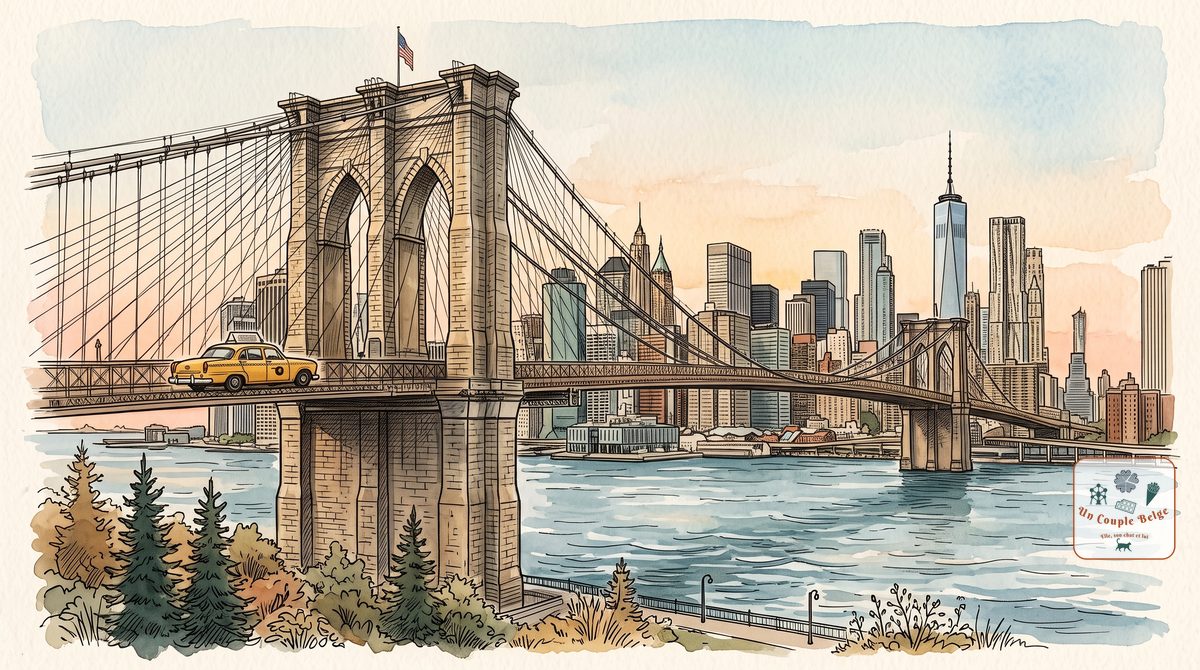
How long should you spend there?
At a glance
- Entrance fee
- The city itself is free to explore. The observation decks, the Statue of Liberty and the major museums charge admission and are booked online.
- Best time to go
- April to June and September to November. December for the Christmas lights, but it is very cold and hotels cost more.
- Book ahead
- Observation decks, the Statue of Liberty ferry and shows, several weeks ahead during the holidays.
- Getting around
- On foot and by subway: $3 a ride, paid with your bank card at the turnstile. No car in Manhattan.
Everyone has seen New York before setting foot there, in films and TV series. Once you arrive you recognise everything, only bigger and louder. The city has five boroughs and more than 8 million inhabitants. Manhattan alone will keep you busy for several days.
History and origins
The city’s story begins in 1625, when the Dutch West India Company founded New Amsterdam on the southern tip of Manhattan Island. The following year, according to the traditional account, the island was bought from the Lenape who lived there. In 1664 the English took the colony without a fight and renamed it New York, in honour of the Duke of York. The name stuck, despite the brief return of the Dutch a few years later.
By the 18th century New York was already a major port. It was even the first capital of the United States, though not for long: George Washington took the oath of office there as first president in 1789, at Federal Hall. In the 19th century the population soared with European immigration, Irish after the Great Famine of the 1840s, then Italian and Eastern European from the 1880s. Ellis Island opened in 1892 and saw more than 12 million immigrants pass through before it closed in 1954. The Statue of Liberty, a gift from France for the centenary of American independence, was unveiled in 1886. It is the work of the sculptor Frédéric Auguste Bartholdi, and its internal structure is by Gustave Eiffel.
In the 20th century the city established itself as the capital of finance with Wall Street and filled up with skyscrapers: the Empire State Building, completed in 1931, remained the tallest tower in the world for nearly forty years. Broadway became the great stage of American theatre. Several movements were also born here, such as the Harlem Renaissance in the 1920s or the Stonewall riots of 1969, the starting point of the LGBTQ+ rights movement. Then came 11 September 2001. The World Trade Center site has since been rebuilt, with the memorial and One World Trade Center, opened in November 2014.
What to do there
- Times Square and Broadway
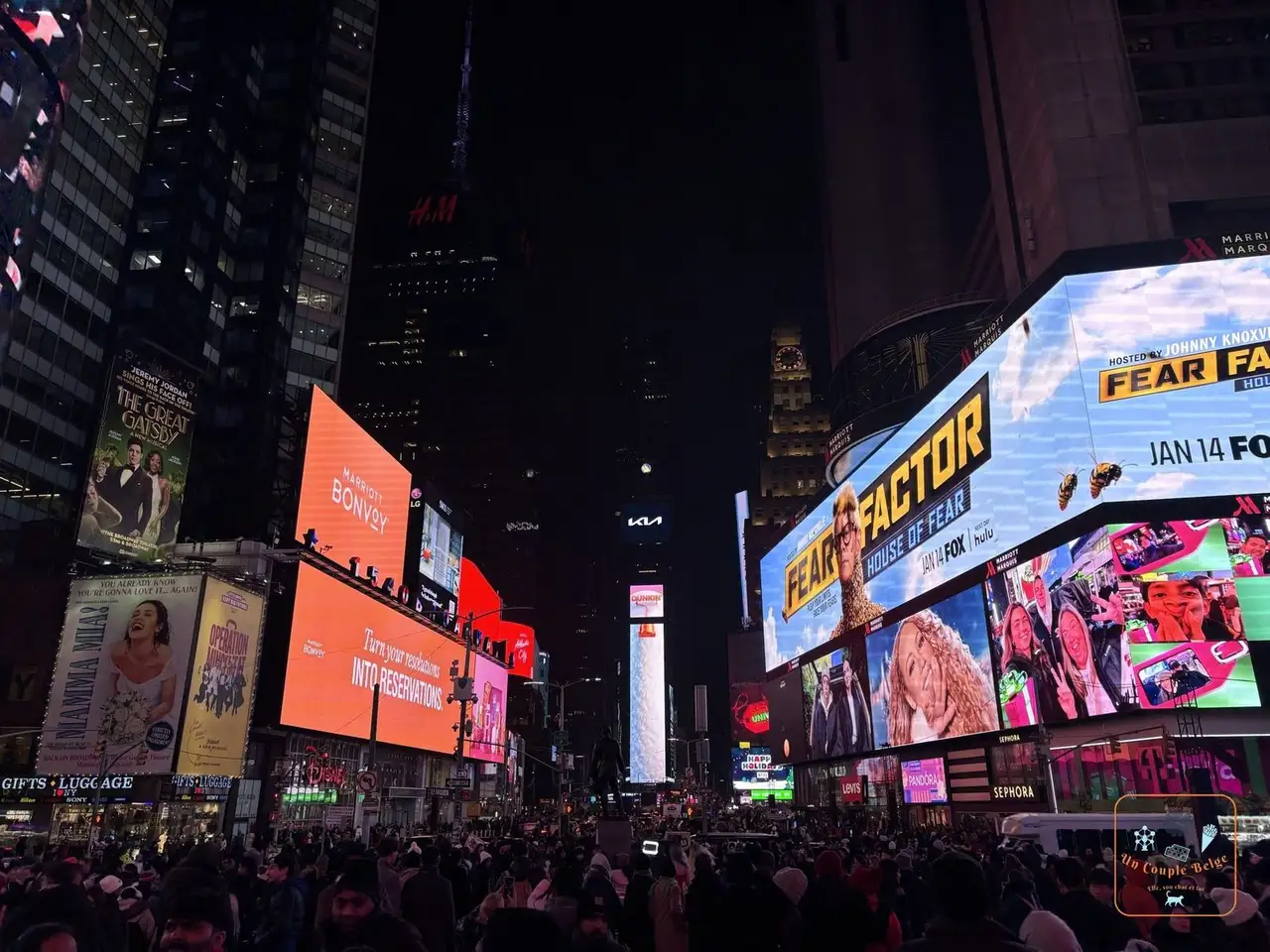 The giant screens of Times Square at night: the giant screens of Times Square should be seen at night, at least once. The Broadway theatres are all around, if you want to see a musical.
 - Central Park
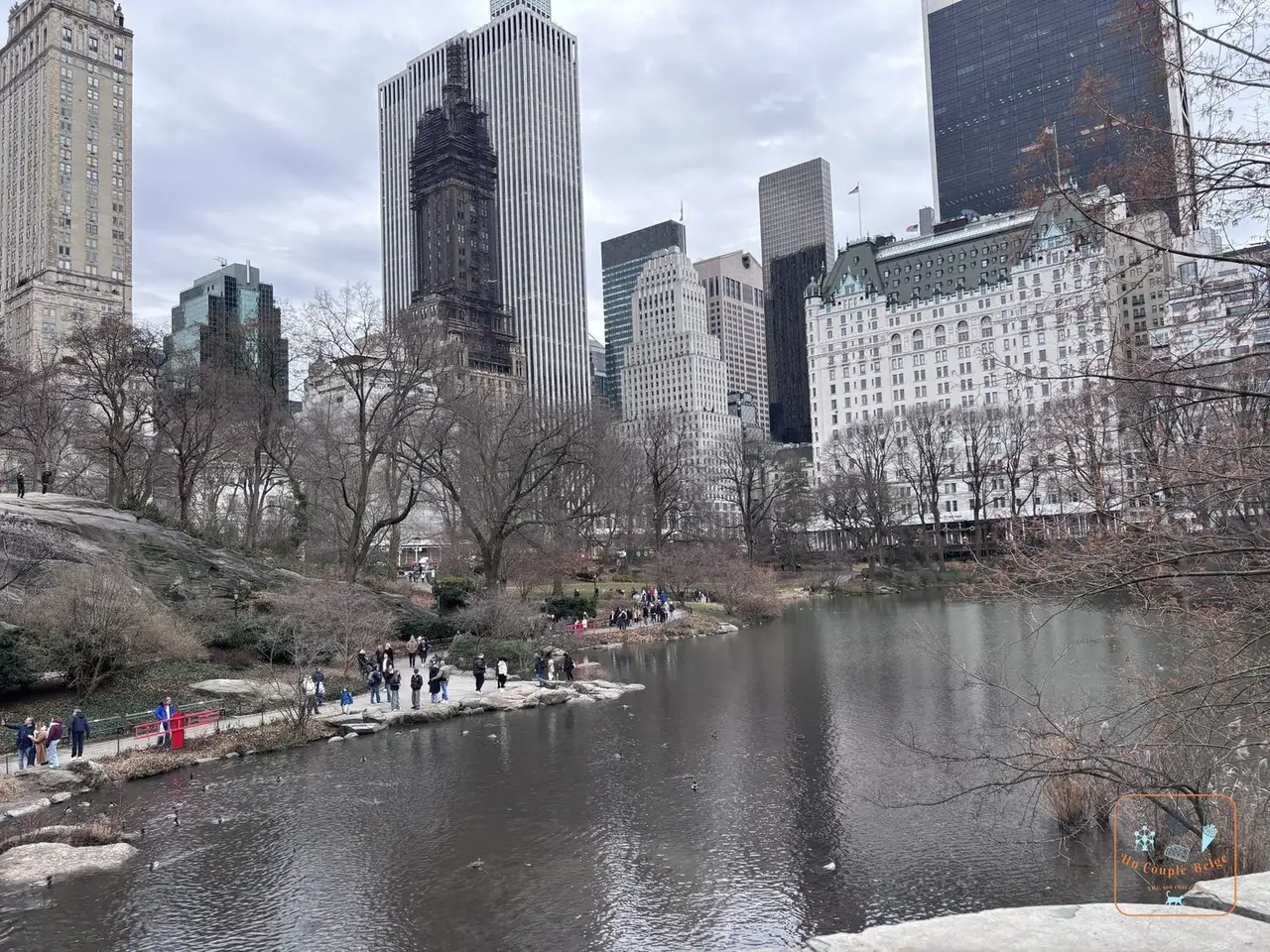 The Pond in Central Park, with the Plaza Hotel in the background: 341 hectares designed by Frederick Law Olmsted and Calvert Vaux, open since 1858, the first large landscaped public park in the United States. You need a good half-day to walk around it.
 - Statue of Liberty and Ellis Island
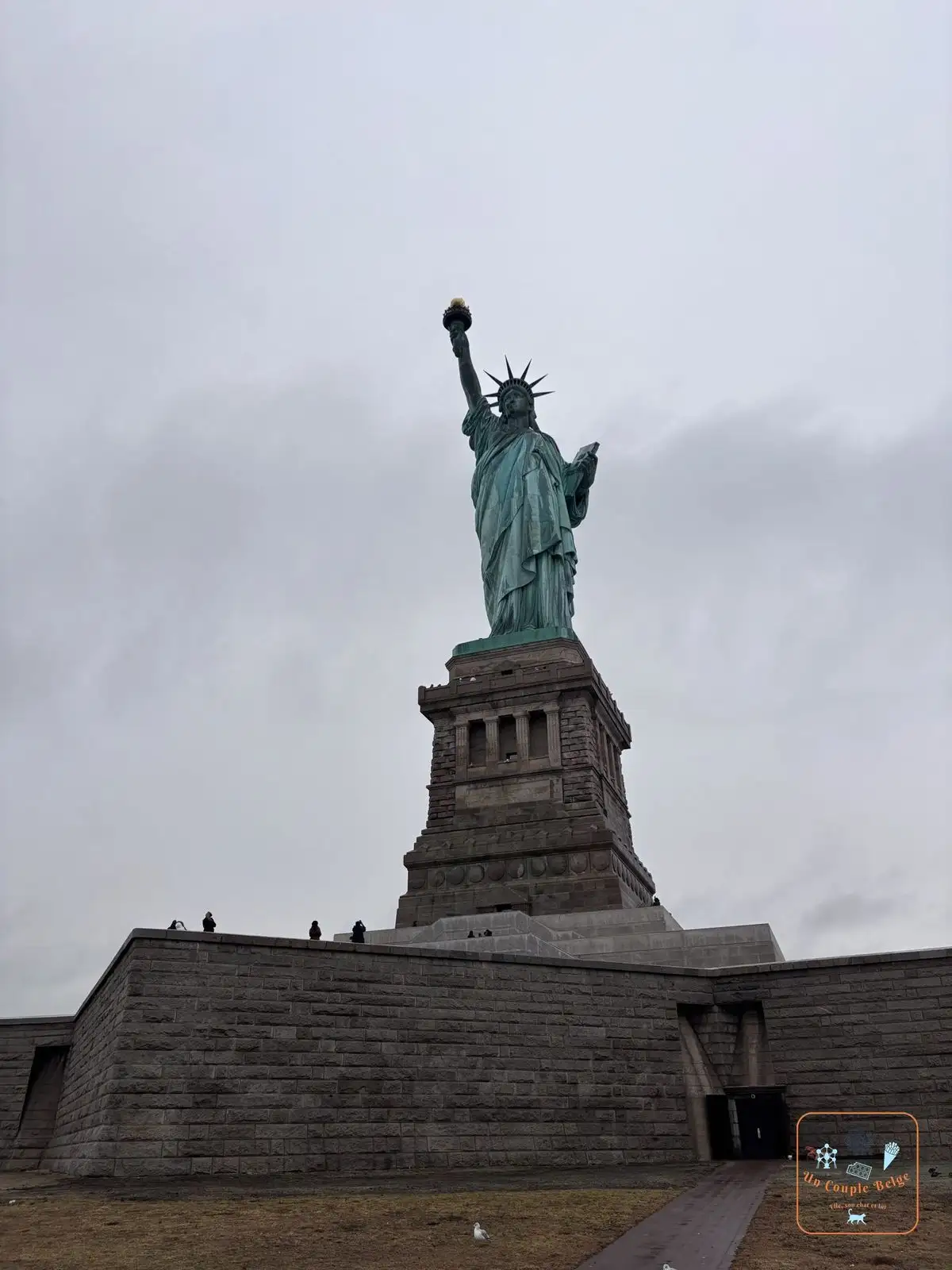 The Statue of Liberty and its base, from the lawn on Liberty Island: reached by ferry from Battery Park or New Jersey, with a single official seller, Statue City Cruises. Expect to pay about $26 per adult for the general ticket and $26.30 with the pedestal or the crown, but those tickets are very limited in number (the crown sells out several months ahead in high season).
 - The observation decks: five big platforms share the view over Manhattan. Tickets start at around $42 to $44 per adult, plus fees, and go up at sunset.
- Empire State Building
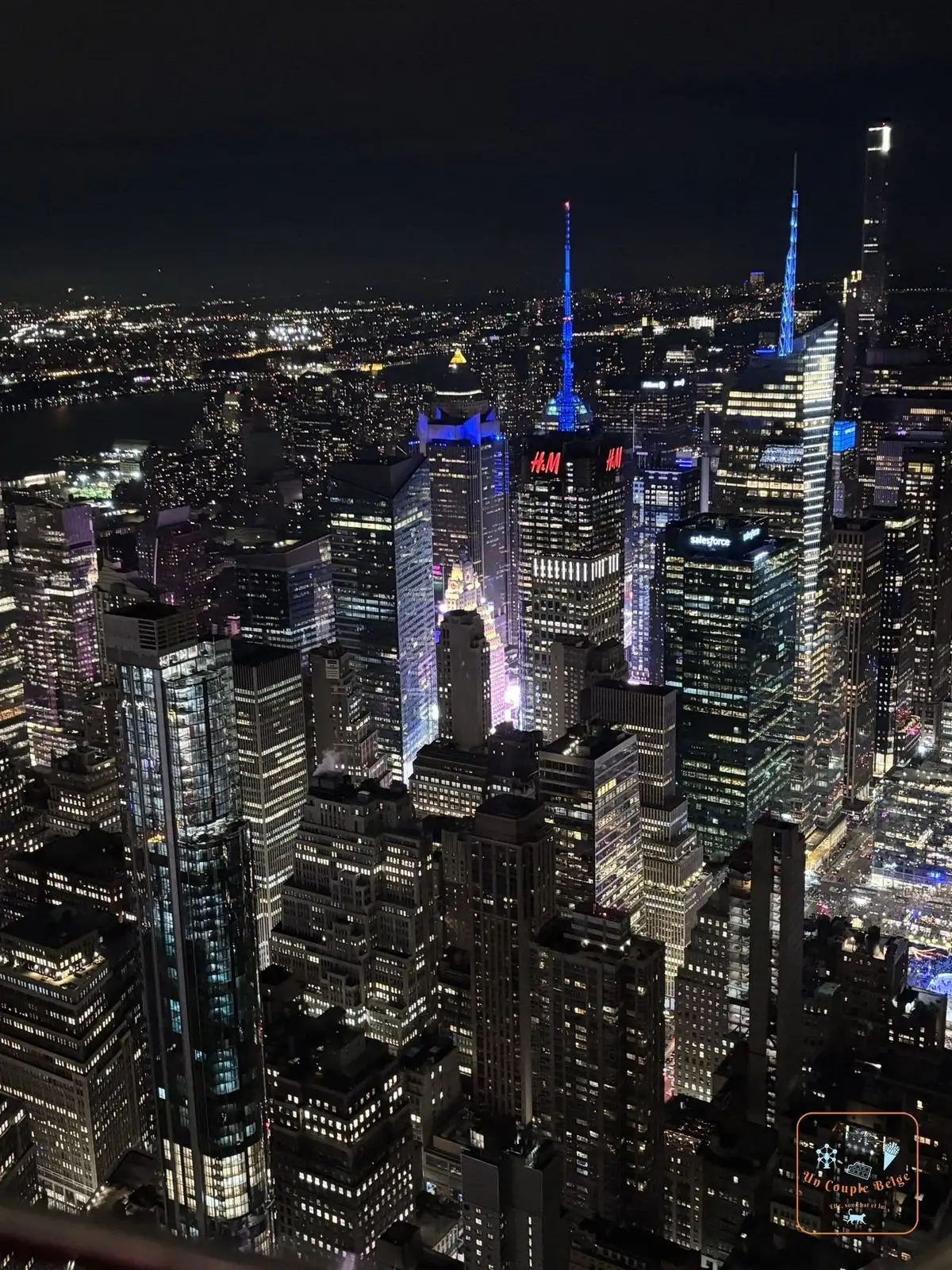 Midtown at night from the 86th floor of the Empire State Building (320 m): the best known, with its open-air terrace on the 86th floor.
 - Top of the Rock
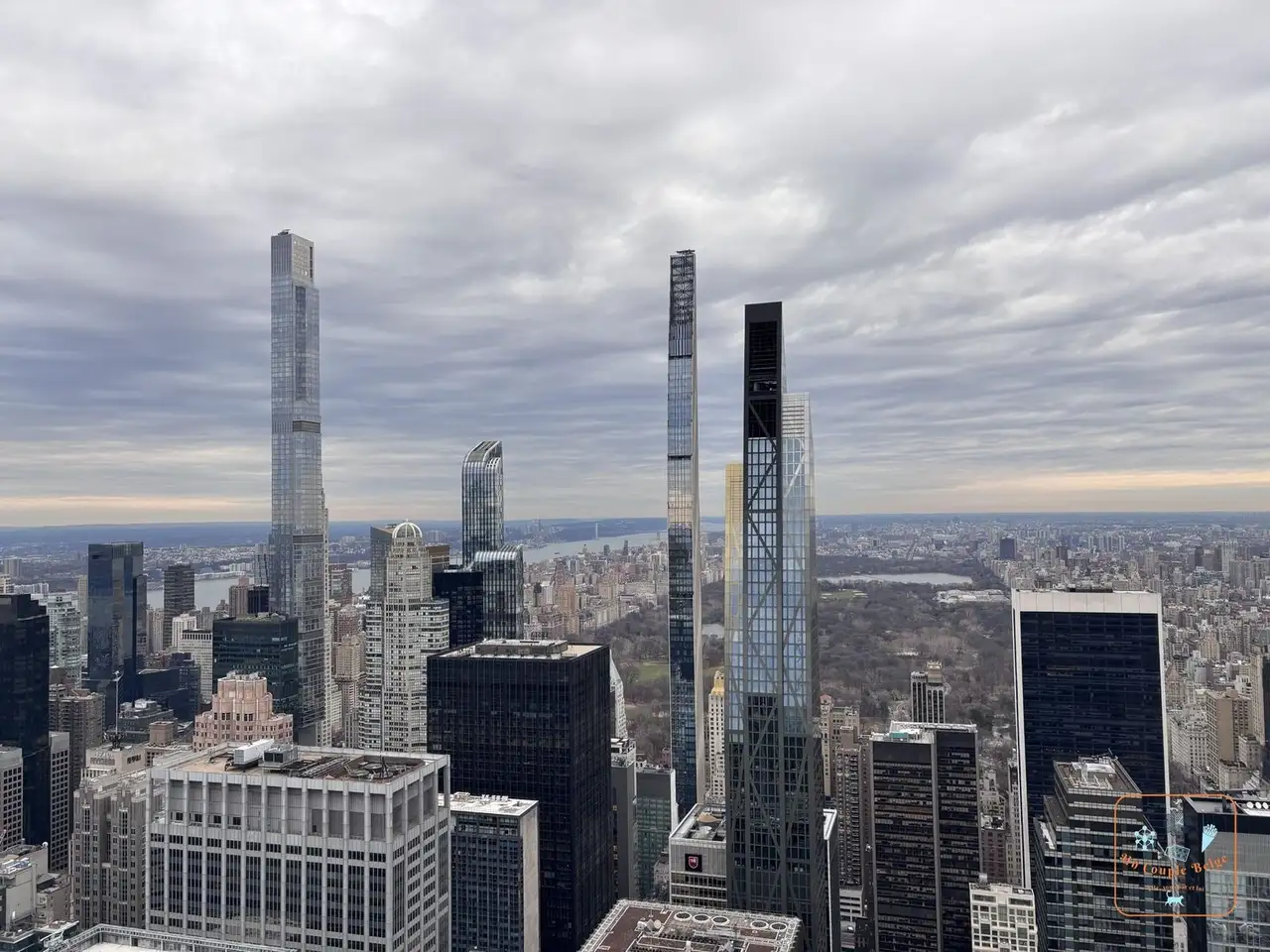 Central Park seen from Top of the Rock (260 m): the view of the Empire State on one side and Central Park on the other.
 - Summit One Vanderbilt (about 335 m): mirrored rooms and glass boxes hanging over the void.
- The Edge (345 m): an open-air terrace with part of the floor made of glass.
- One World Observatory (386 m): the highest, but everything is behind glass.
- Empire State Building
- The Metropolitan Museum of Art (the Met) and MoMA: two of the greatest art museums in the world. Pick a few galleries; you can’t see everything in one visit.
- Brooklyn Bridge and DUMBO
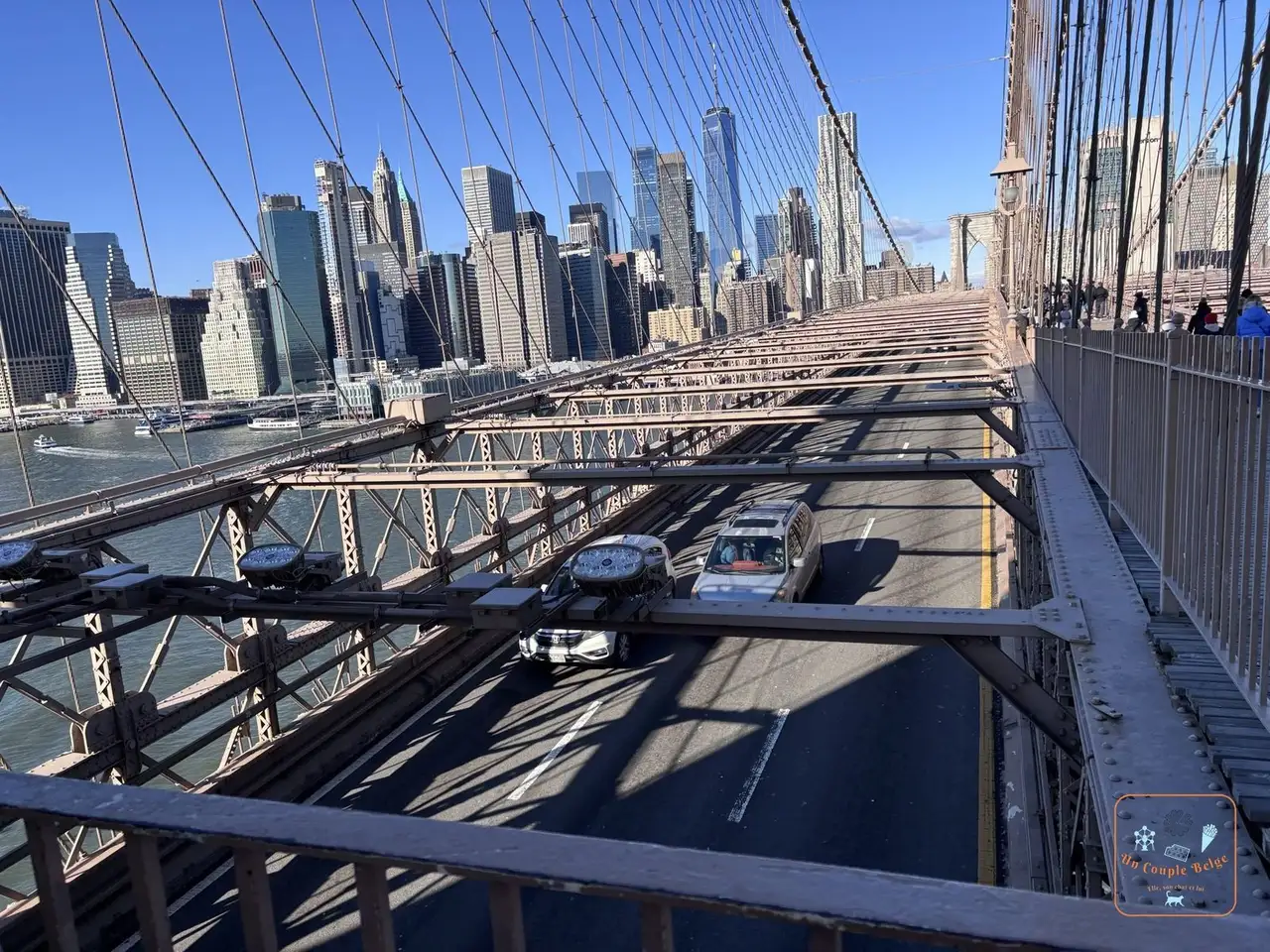 The Brooklyn Bridge pedestrian walkway, with Manhattan ahead: you cross the bridge on foot, with Manhattan in front of you. On the Brooklyn side, the DUMBO neighbourhood is worth the detour, particularly for the view of the Manhattan Bridge from Washington Street.
 - High Line
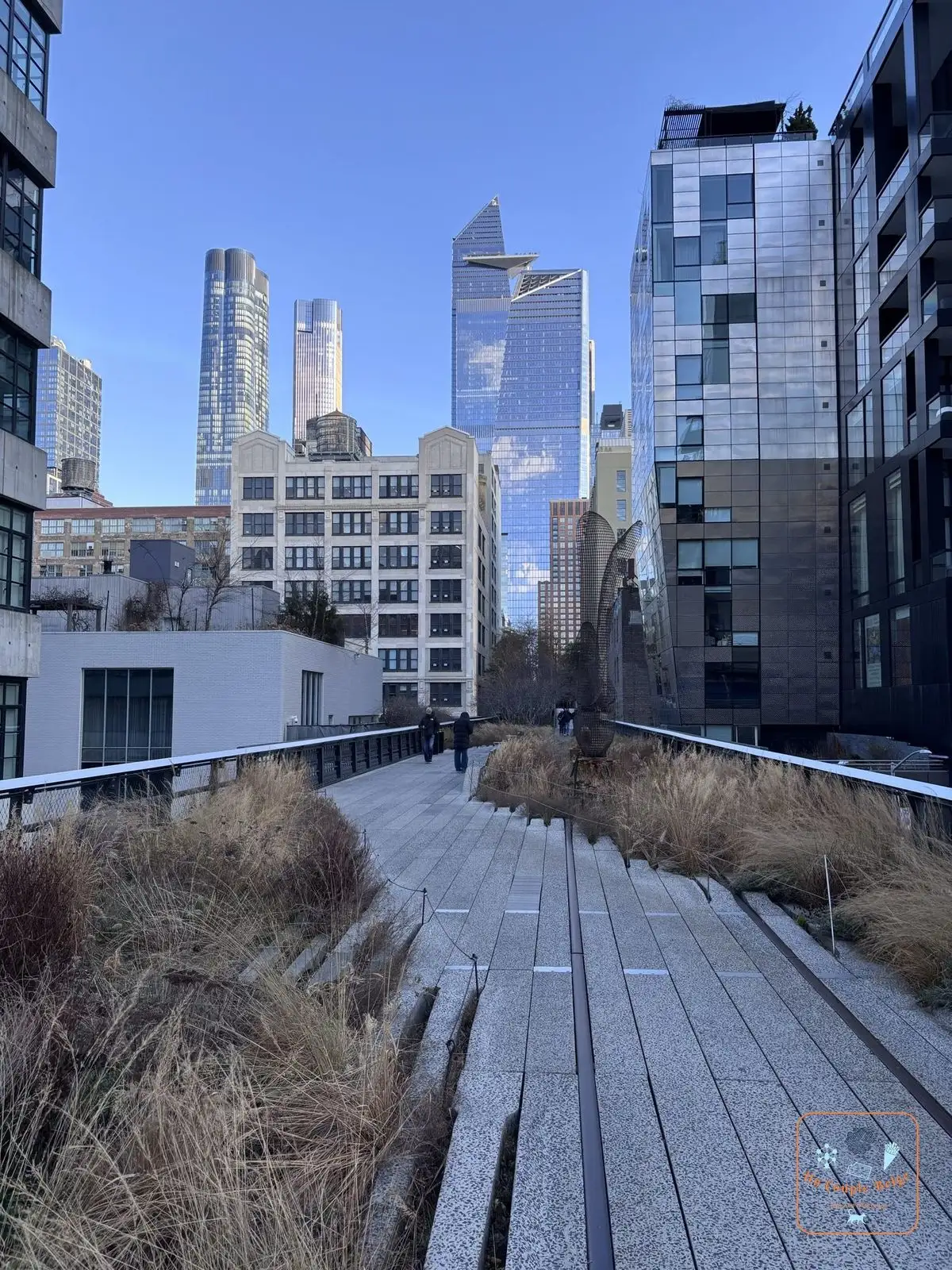 The High Line, with the Hudson Yards towers behind: a former elevated railway turned into a planted walkway above the streets, running through Chelsea to Hudson Yards.
 - The 9/11 Memorial & Museum
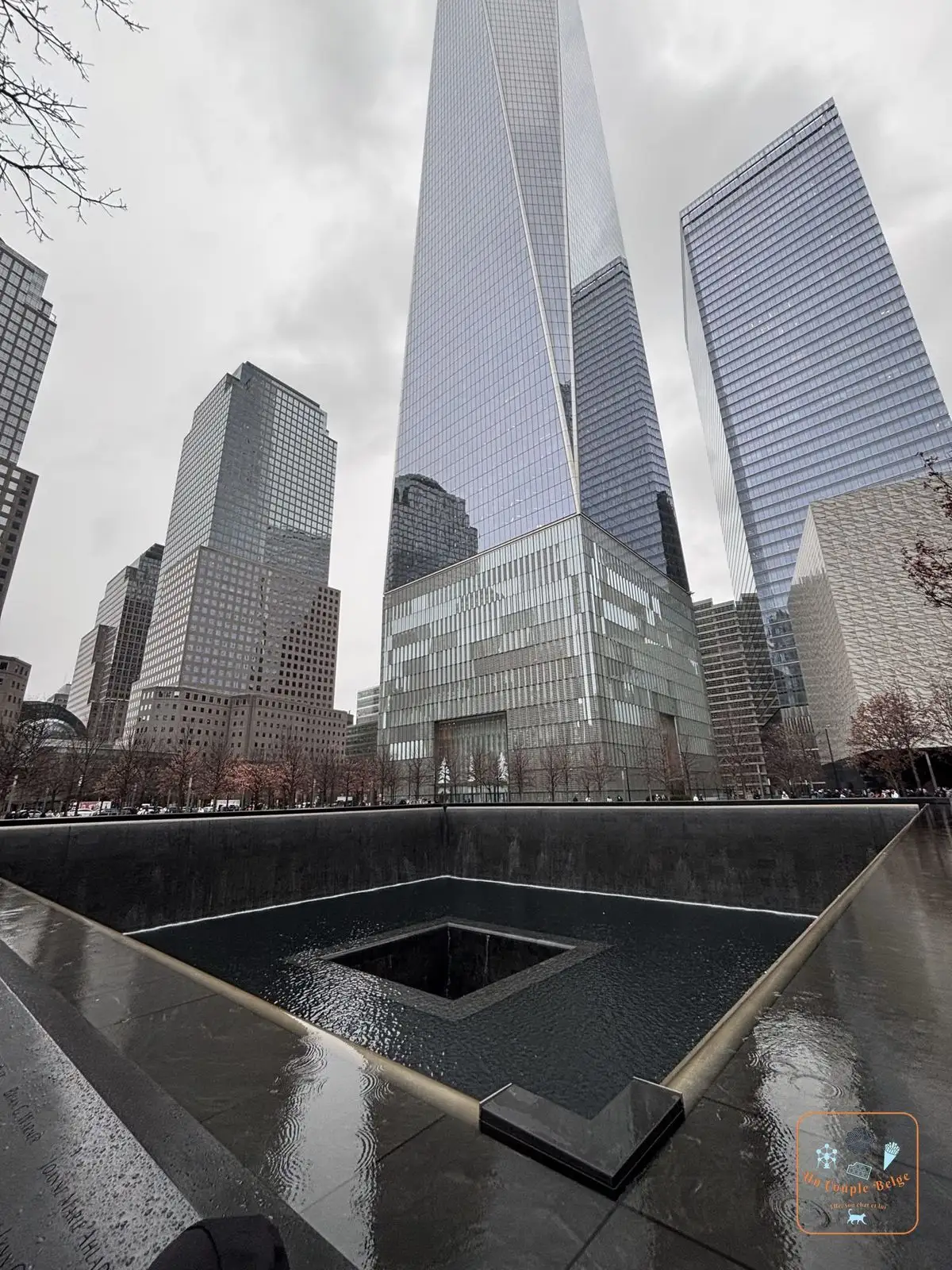 One of the memorial pools, with One World Trade Center in the background: the memorial’s two pools sit exactly where the Twin Towers stood. The memorial is free, the museum charges admission.
 - The neighbourhoods: Greenwich Village, SoHo, Chinatown, Harlem, Williamsburg. Keep some time to wander around them with no plan: it’s often what you remember best.
Stories and good to know
- The public Staten Island Ferry, which is free, sails past the Statue of Liberty and lets you see the skyline without paying anything. A good alternative to the cruises, which are often pricey.
- In 2025 New York celebrated the 400th anniversary of the founding of New Amsterdam.
- The New York subway runs 24 hours a day, which is fairly rare among the world’s big cities, but the network can be confusing at first: on the same line, local trains (all stops) and express trains (only a few stops) share the same platforms.
- At rush hour, you often get around Manhattan faster on foot than by taxi or Uber.
- Tips are not optional: they are part of the staff’s wages. In New York they run a little higher than elsewhere, given the cost of living: think 20% rather than 15% in restaurants, and a few dollars for other services.
Practical information for your road trip
- Airports: JFK and Newark for international flights, LaGuardia mainly for domestic ones. All are linked to the centre by train, subway, bus or taxi.
- Subway: just tap your bank card or phone at the turnstile (the OMNY system). Fares are capped at $36 over 7 days, after which rides are free. The MetroCard has not been sold since 1 January 2026.
- By car: keep it for the day you leave the city. Since January 2025, entering Manhattan south of 60th Street costs $9 a day in the daytime ($2.25 at night), on top of bridge and tunnel tolls and eye-wateringly expensive parking. With a rental car, this toll is billed on by the rental company, often with fees.
- Budget: New York is one of the most expensive cities in the United States for accommodation. Book early and widen your search to Brooklyn or New Jersey to pay less.
- Combine it with: New York fits well at the start or end of an East Coast road trip, before heading down to Philadelphia, Washington and then Florida, as we did on our road trip 2 (see below).
Our experience in New York
We spent five days there at Christmas 2025, at the start of our road trip 2. It’s all told day by day, with prices and our tips:
Quick quiz
Question 1 / 3
Expert
New York: the city that never sleeps, between skyscrapers and museums
Where to stay near New York: the city that never sleeps, between skyscrapers and museums
Stay22 affiliate links: if you book through here, we earn a small commission at no extra cost to you. Thanks for your support!
On the ground

Sponsored by UnCoupleBelge
Follow us on Instagram
Box sponsored by a partner
Comments