Alcohol, tobacco and cannabis in the United States: what the law says
Updated on
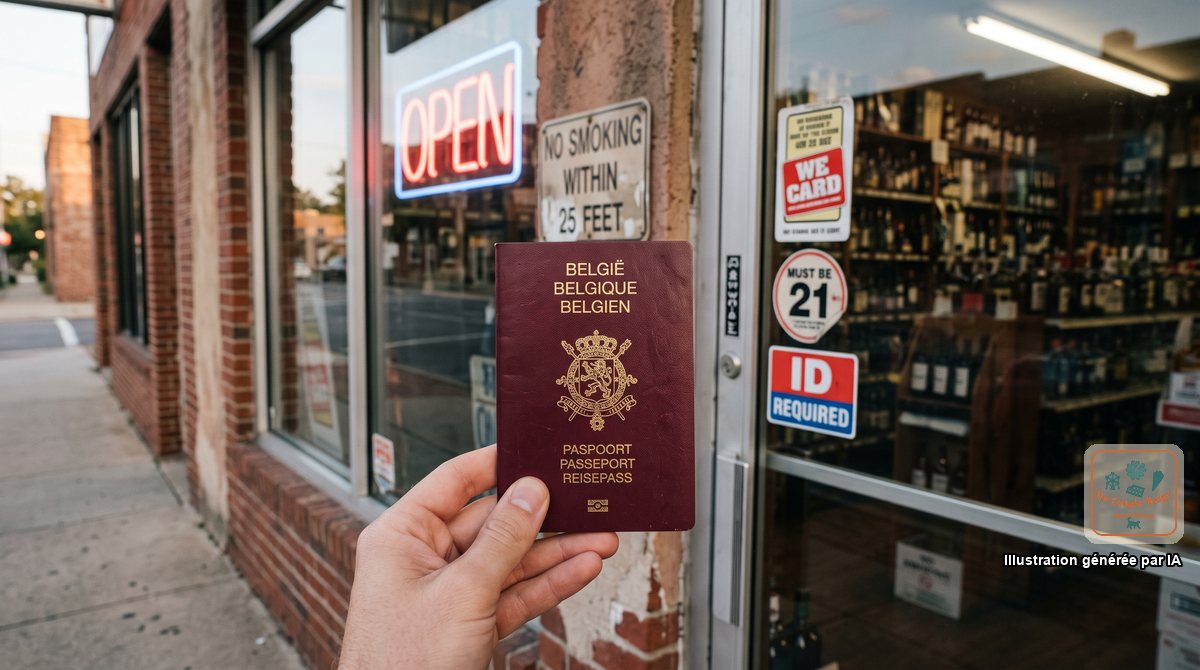
The United States has a stricter relationship with alcohol than we do, and a more complicated one with cannabis.
The rules change from one state to another, sometimes from one county to another, and travellers get caught out on details: a beer on the beach, an opened bottle in the car, an identity card refused.
Alcohol: 21, with no exceptions
The legal age for buying and drinking alcohol is 21 throughout the country. A 19-year-old who drinks wine at the table with their parents in Belgium won’t be served anywhere.
- A passport is the only document accepted everywhere.
- A Belgian identity card and a driving licence are often refused, because staff don’t recognise them.
- A photo of your passport on your phone isn’t enough.
If you plan to have a drink in the evening, keep your passport on you.
Where to buy it
There’s no national rule. A few typical cases:
| Situation | Examples |
|---|---|
| Everything is sold in supermarkets | California, Nevada, Arizona, Florida (beer and wine) |
| Beer and wine in supermarkets, spirits in specialist shops (liquor stores) | New York (wine in specialist shops too), Colorado, Texas |
| Wine and spirits only in state-run stores | Utah, Pennsylvania, among others |
| Sales banned or limited on Sundays | Variable, especially in the South |
Utah is the strictest case: supermarkets only sell beer of up to 5%, everything else goes through the state stores, closed on Sundays and public holidays. At restaurants, you’ll be served alcohol if you order food.
Dry counties ban all sales of alcohol. Some remain in the South, notably in Kentucky, Arkansas, Mississippi and Tennessee.
The Navajo Nation bans alcohol throughout its territory, including at Monument Valley: no sales, no drinking, and in theory no bottle in the car (see Navajo lands).
Drinking in the street: banned almost everywhere
Open container laws forbid drinking alcohol in public spaces: street, park, beach, car park. The famous paper bag around the bottle protects you from nothing.
A few well-known exceptions: the Las Vegas Strip (in plastic cups, not glass), the French Quarter of New Orleans, the historic centre of Savannah, and a few designated entertainment districts in other cities.
On beaches, alcohol is banned in most cases, notably in California and on many Florida beaches. In national parks, you can generally have a drink at your campsite or at a picnic area, unless the park has a rule to the contrary.
In the car
- No opened bottle or can inside the car, including for passengers. A bottle of wine opened the night before goes in the boot.
- The legal limit is 0.08% (0.8 grams per litre of blood) in almost every state, and 0.05% in Utah, as in Belgium.
- For under-21s, it’s zero.
At the bar and the restaurant
- The tip is one to two dollars a drink at the bar, or 18 to 20% of the bill (see tipping).
- You open a tab by leaving your card with the bartender, and settle up when you leave.
- Happy hour offers reduced prices in the late afternoon, except in a few states that ban it.
- Bars close between 1 and 2 in the morning in most states, later in New York, never in Las Vegas.
- Craft breweries are everywhere and offer tasting boards (flights): a good way to try the local beers.
Tobacco and e-cigarettes
- Minimum age: 21 throughout the country, for tobacco and e-cigarettes alike.
- Smoking is banned in restaurants, bars, hotels and enclosed public places in most states, and often also on beaches, in city parks and within a few metres of entrances.
- In hotel rooms, the fine for smoking is 250 dollars or more, charged to your card.
- In rental cars, the same.
- In national parks, you don’t smoke on the trails when there’s a fire risk, and you never throw away a cigarette end.
- Prices vary by a factor of three: a packet costs about 7 dollars in Missouri and more than 14 dollars in New York.
The casinos of Las Vegas are among the few enclosed places where people still smoke.
Cannabis: legal here, illegal there
About half the states, including California, Nevada, Colorado, Arizona and New York, allow recreational cannabis for adults aged 21 and over, sold in licensed shops (dispensaries), on presentation of a passport. But it remains illegal at federal level, and that’s where the trouble starts.
What remains forbidden, even in a state where it’s legal:
- Using it in public: street, park, beach, car, and in almost all hotels.
- Having it on you in a national park, a national forest or any other federal land. Smoking a joint at Yosemite is a federal offence.
- Carrying it from one state to another, even between two states where it’s legal.
- Going through airport security with it.
- Driving after using it.
- Bringing it back to Belgium, of course, including in the form of sweets or oil.
States such as Idaho, Wyoming, Kansas or Texas still apply severe penalties for small quantities. On a road trip, you cross these state lines without noticing.
In summary
- Passport on you for any purchase of alcohol.
- Nothing open inside the car.
- No alcohol in the street or on the beach, unless there’s a local exception.
- No cannabis on federal land or across state lines.
- If in doubt, ask: the rules are posted in shops, and staff are used to the question.