Joshua Tree: giant boulders and Joshua trees between two deserts
Updated on
How long should you spend there?
At a glance
- Entrance fee
- $30 per vehicle for 7 days, with no surcharge for foreign visitors.
- Best time to go
- October to May. In summer it is often over 40°C and hiking is not advised during the day. Nights are cool all year round.
- Book ahead
- Jumbo Rocks campground, from October to May. The other campgrounds take no reservations.
- Getting around
- By car. Enter from the south and leave by the north, or the other way round: you cross the whole park without doubling back and see both deserts. No water or phone signal inside.
| Walks and hikes | Distance | Time | Level |
|---|---|---|---|
| Cholla Cactus Garden | 400 m (loop) | 15 to 30 min | easy |
| Keys View | 400 m (loop) | 30 min | easy |
| Oasis of Mara | 800 m (loop) | 30 to 45 min | easy |
| Hidden Valley | 1.6 km (loop) | 1 hr | easy |
| Barker Dam | 1.8 km (loop) | 1 hr | easy |
| Arch Rock | 2.1 km | 1 hr | easy |
| Skull Rock | 2.7 km (loop) | 1 to 2 hrs | easy |
| Mastodon Peak | 4.8 km (loop) | 1 hr 30 to 2 hrs 30 | moderate |
| Ryan Mountain | 4.8 km (round trip) | 1 hr 30 to 2 hrs 30 | strenuous |
Two and a half hours from Los Angeles, Joshua Tree combines two things you don’t see together anywhere else: huge piles of rounded boulders, and thousands of Joshua trees with twisted branches. The park is easy to drive through, with short stops all along the road. It makes a very good first national park to start a road trip in the West.
History and origins
The park owes its name to Mormon settlers who crossed the region in the 1850s. The twisted branches of these trees are said to have reminded them of Joshua’s arms, raised to guide travellers westward. The Joshua tree (Yucca brevifolia) is not actually a tree: it is a giant yucca, of the agave family. It grows a few centimetres a year and can live for several centuries.
The region has been inhabited for thousands of years by the Serrano, Cahuilla and Chemehuevi peoples, who left petroglyphs in the park. Around 1900, miners and ranchers settled in this desert. Traces of them remain, such as the Desert Queen Mine or Bill Keys’s ranch.
It was a Pasadena resident, Minerva Hoyt, who fought in the 1920s and 1930s to protect the area, which was then being plundered by cactus collectors. She persuaded President Franklin D. Roosevelt to create Joshua Tree National Monument in 1936. The site became a national park in 1994.
The park lies where two deserts meet: the Mojave to the north, higher and cooler, where the Joshua trees grow, and the Colorado Desert to the south, lower and hotter. You pass from one to the other as you drive.
What to do there
- Hidden Valley
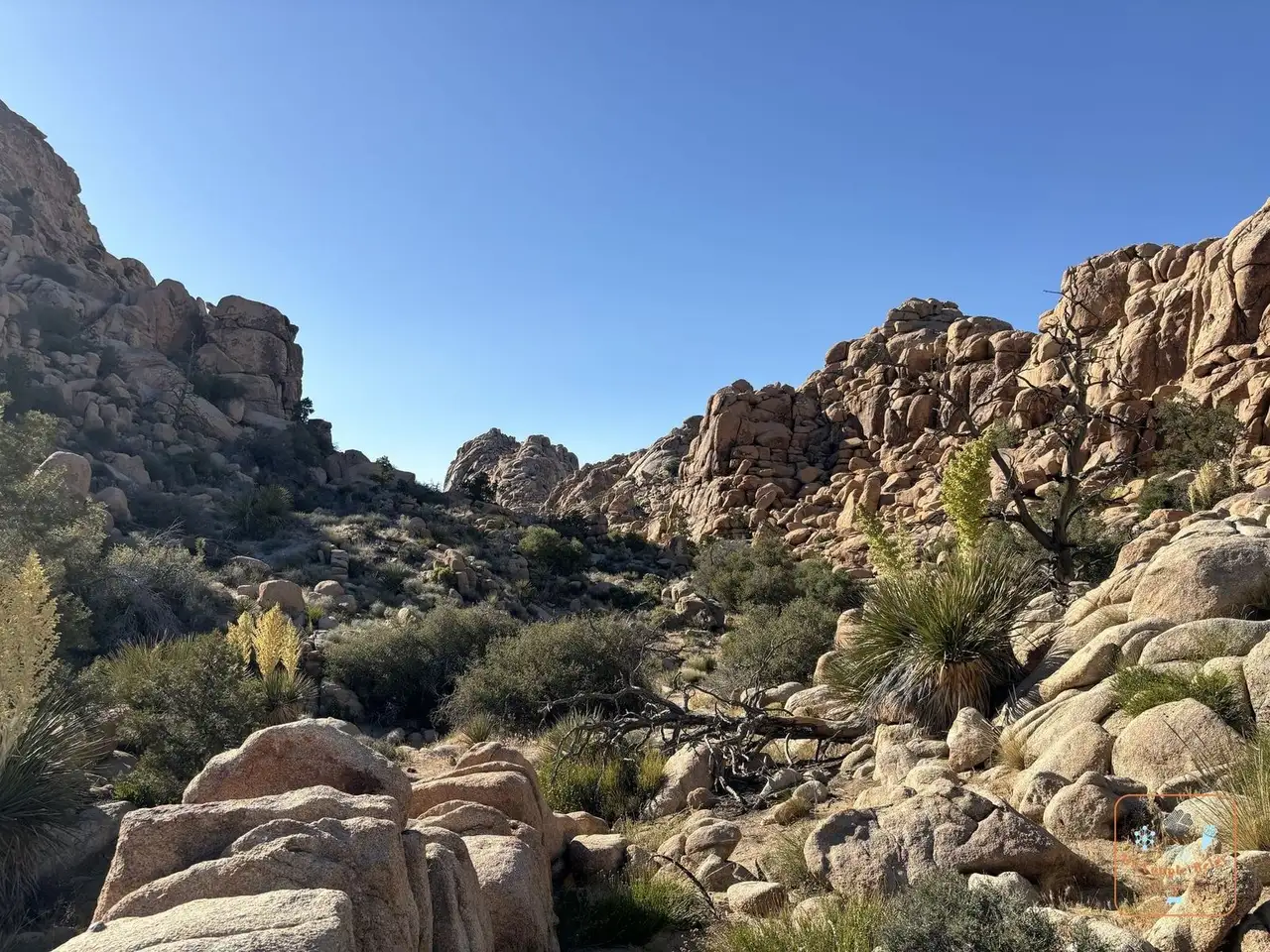 Hidden Valley, a valley ringed by boulders: an easy loop of a little under two kilometres in a valley enclosed by rocks. Ideal for a first walk.
 - Keys View
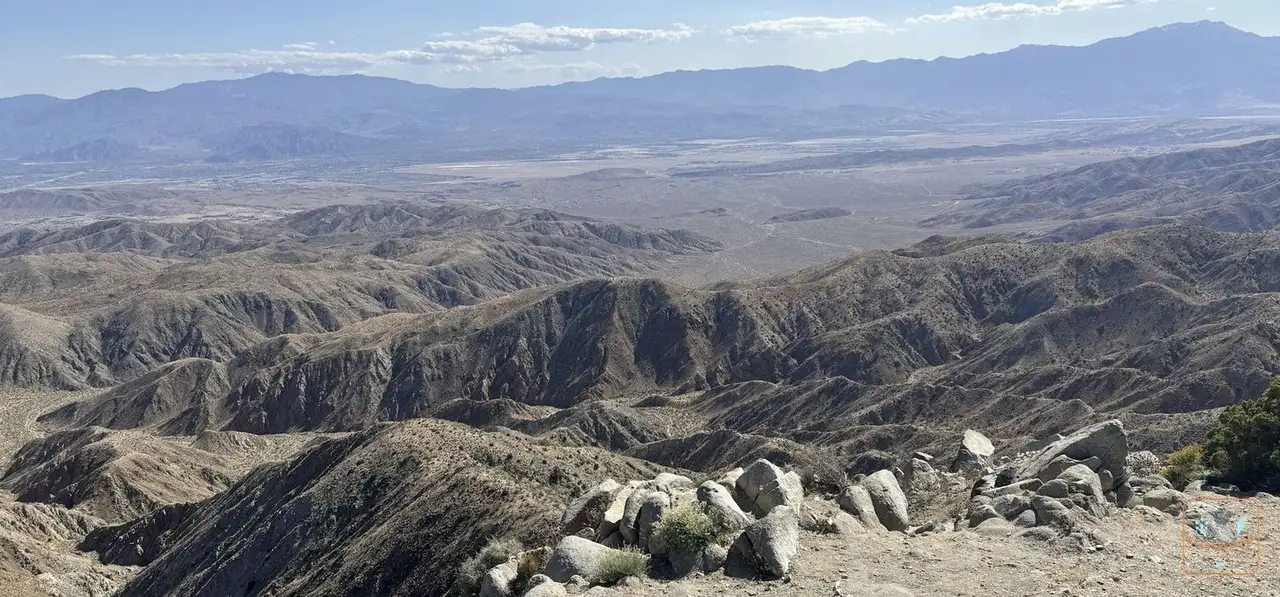 The panorama from Keys View over the Coachella Valley: a viewpoint at nearly 1,600 metres, reached by car. You can see the whole Coachella Valley and Palm Springs, the San Andreas Fault and, in the distance, the Salton Sea. On a very clear day, which is rare, you can make out a mountain in Mexico.
 - Skull Rock
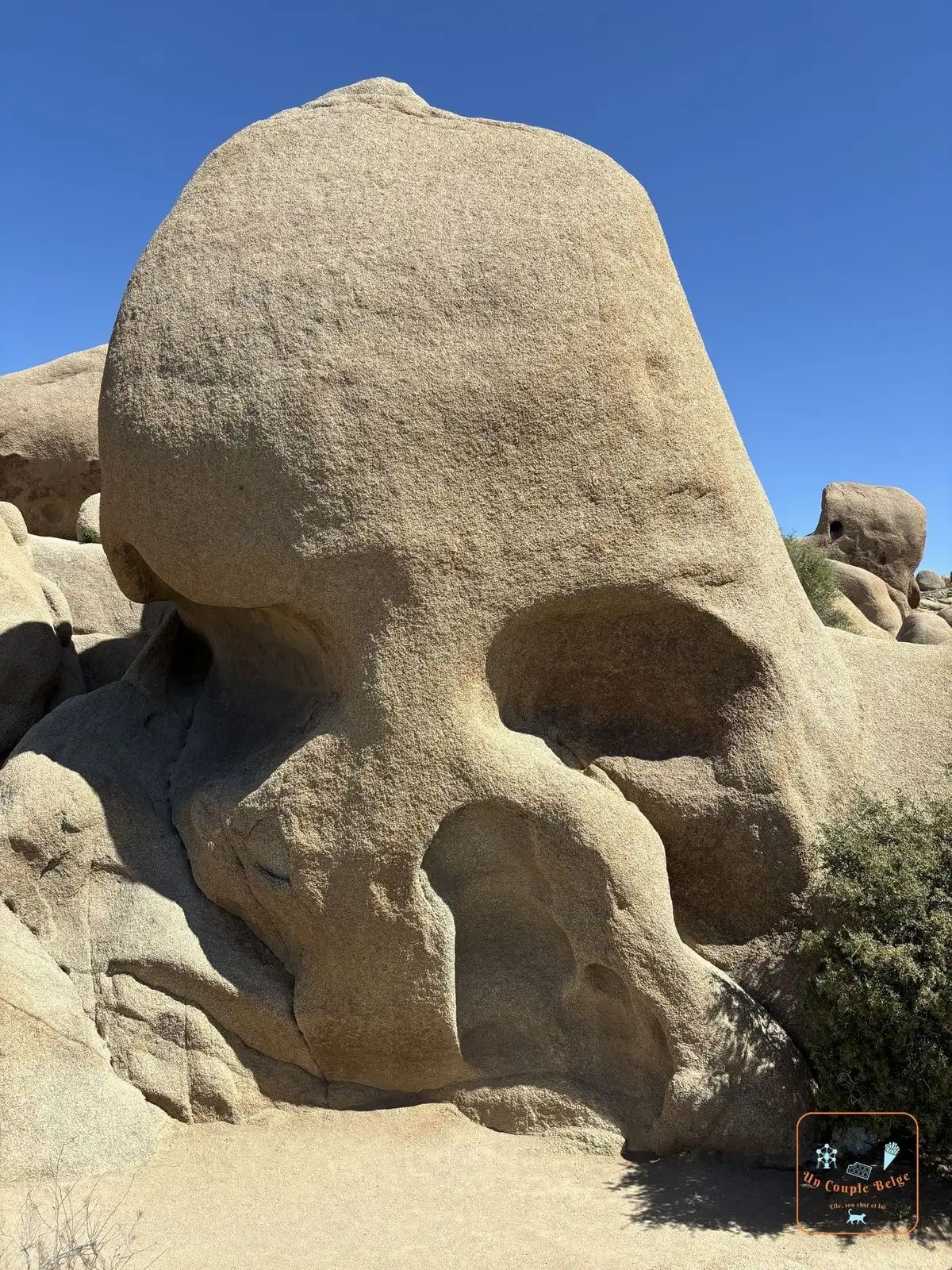 Skull Rock, the skull-shaped boulder: a skull-shaped rock, a few metres from the car park.
 - Arch Rock and Heart Rock
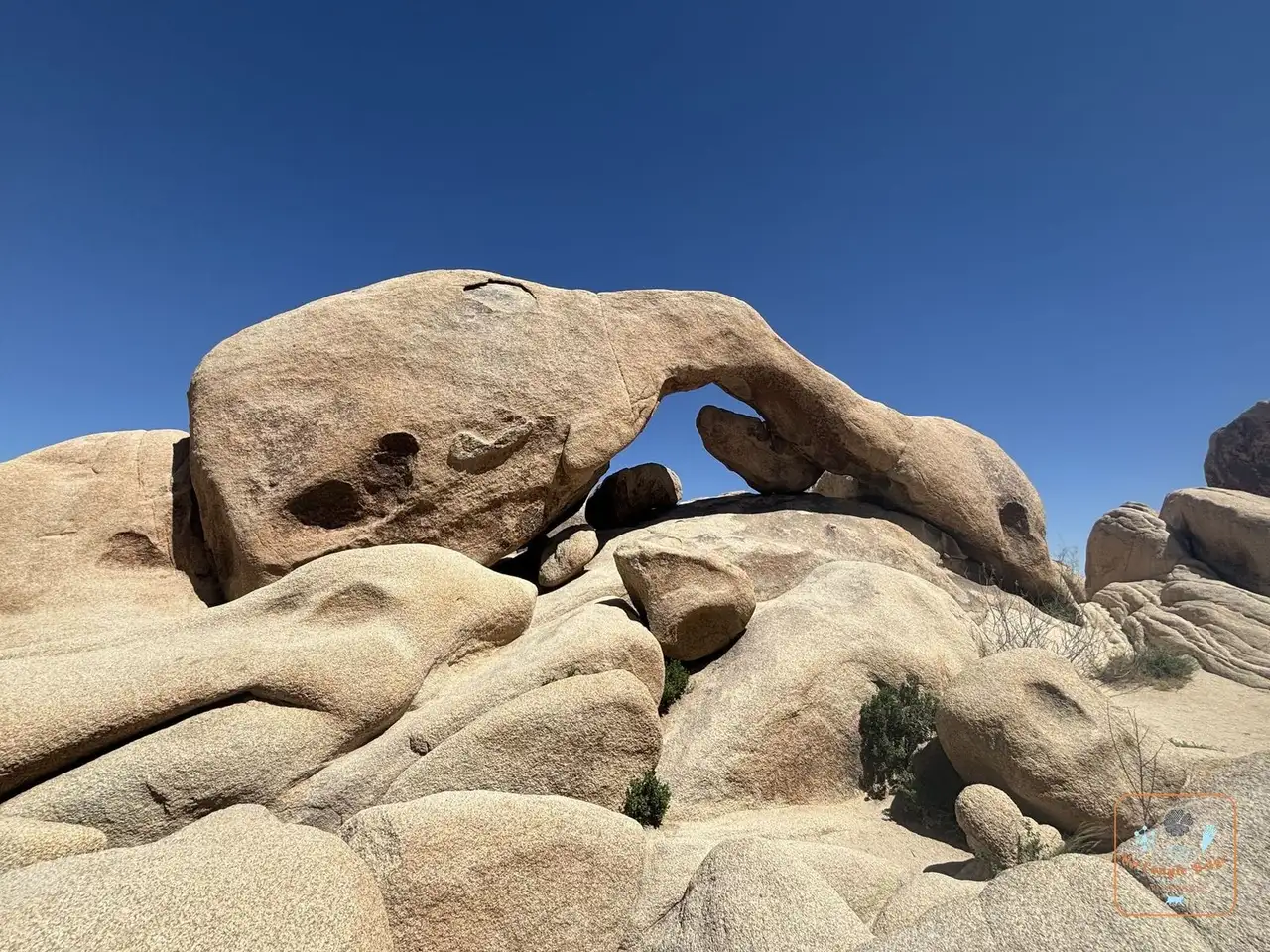 Arch Rock: a granite arch and a heart-shaped rock, at the end of a trail with no shade.
 - Cholla Cactus Garden
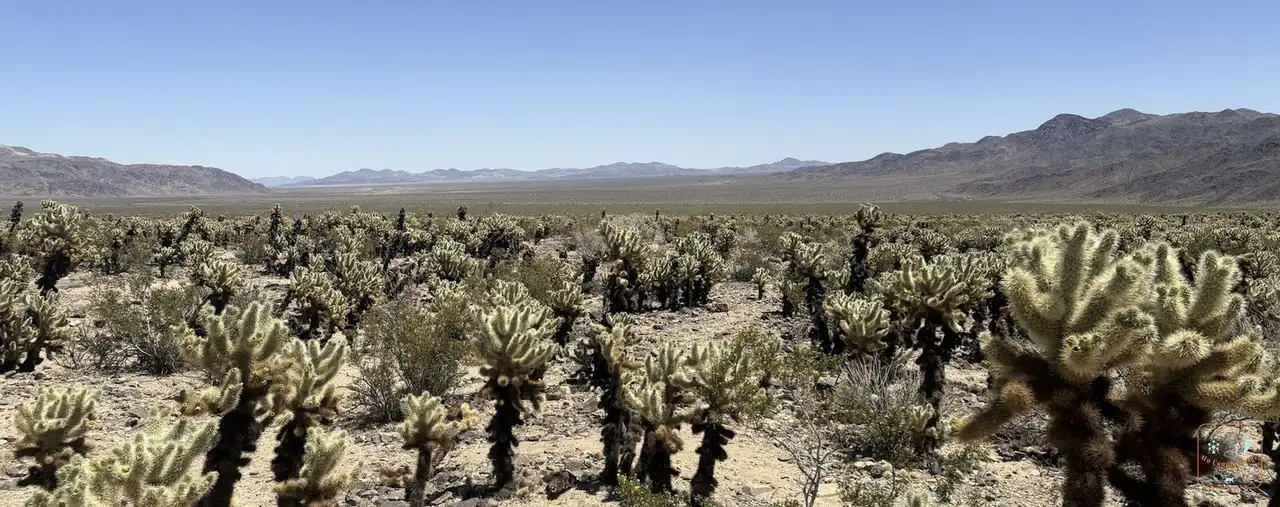 The Cholla Cactus Garden: thousands of cholla cacti packed tightly together. Don’t touch them: their spines come away at the slightest contact and cling to the skin.
 - Cottonwood Spring and Mastodon Peak
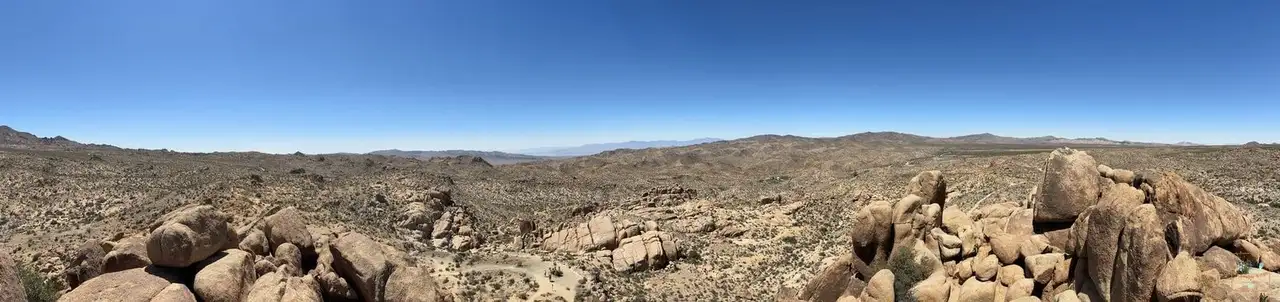 The view from Mastodon Peak, near Cottonwood Spring: in the south, where almost nobody goes. A loop of an hour and a half passes an old gold mine and climbs to a 360° viewpoint.
 - The Oasis of Mara
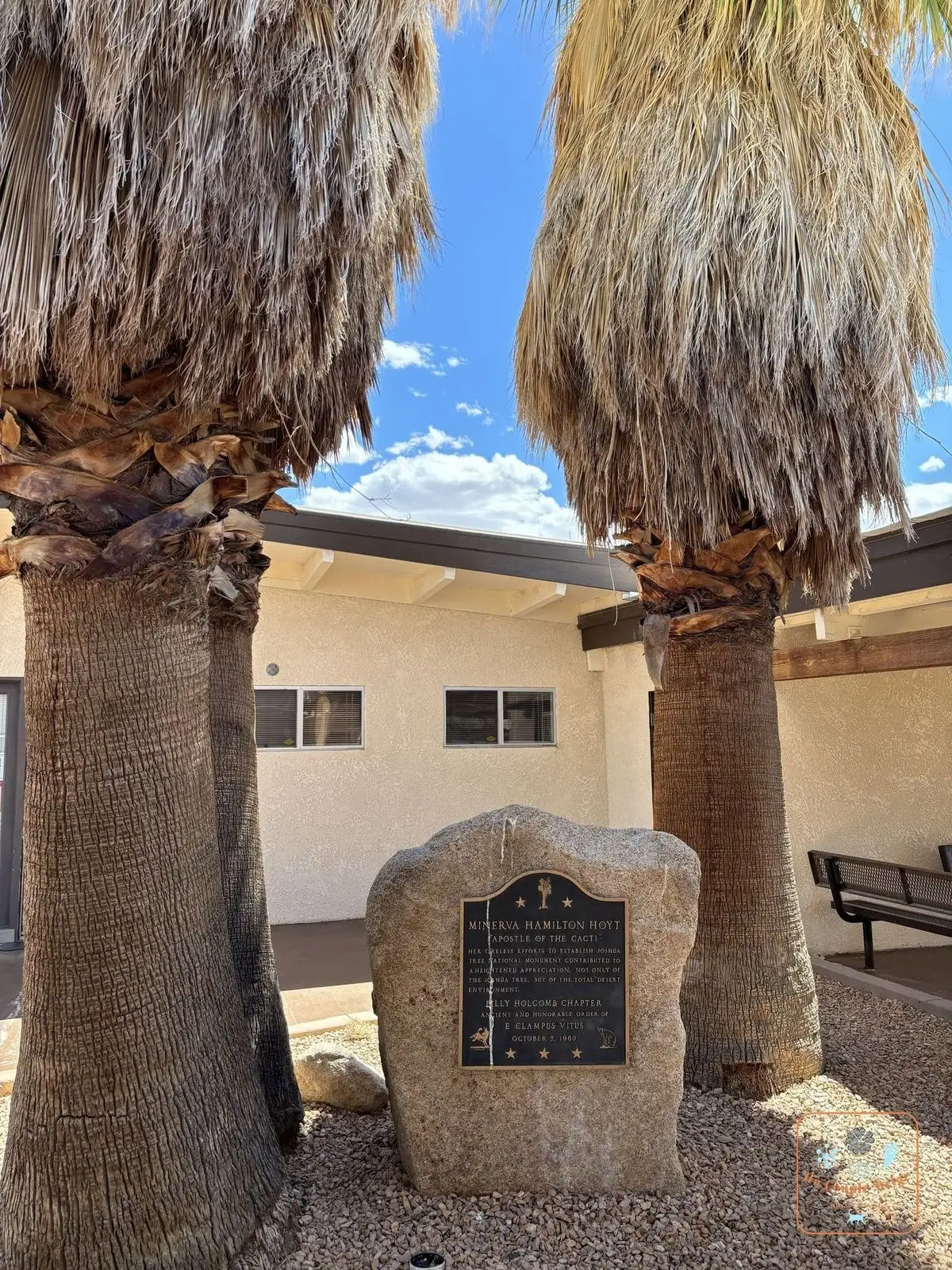 The palm trees of the Oasis of Mara, in Twentynine Palms: a short walk among the palm trees, in Twentynine Palms. There are no Joshua trees here, but there are benches in the shade for a picnic.
 - Barker Dam and Ryan Mountain: the first for its old reservoir and its petroglyphs, the second for one of the finest views in the park, at the price of a good climb.
- Rock climbing: Joshua Tree is known to climbers the world over, with thousands of routes on the granite.
- The stars: the park is a designated Dark Sky Park. Around the new moon you can see the Milky Way with the naked eye.
- Around the park: Pioneertown, a former Western film set that has become a real village, with the music venue Pappy & Harriet’s.
Stories and good to know
- U2’s album The Joshua Tree (1987) is named after these trees.
- The park’s boulders are granite, formed underground millions of years ago. Erosion gradually exposed it and rounded it off along the cracks in the rock.
- The palm trees at the Oasis of Mara no longer grow on their own: the spring dried up in the 1940s, and the park has to bring water in.
- Global warming threatens the Joshua trees. Several studies estimate that most of them could disappear from the park by the end of the century.
Practical information for your road trip
- Pass: we entered with our America the Beautiful pass. See our guide to the national parks pass.
- Getting there: the park has three entrances. The West Entrance, near the village of Joshua Tree, 2 hours 15 to 2 hours 30 from Los Angeles, is the busiest. The North Entrance is in Twentynine Palms. The South Entrance, at Cottonwood, is 45 minutes from Palm Springs.
- Visitor centres: there is one in the village of Joshua Tree, one in Twentynine Palms and one at Cottonwood. That’s where you’ll find maps, rangers and the park stamps.
- Water and phone signal: fill up with water at the entrances and visitor centres, and take plenty for walking. Download your maps before you go in.
- Where to stay: in the towns of Joshua Tree, Yucca Valley and Twentynine Palms, or in Palm Springs as we did. Inside the park, Jumbo Rocks is booked on recreation.gov. The Hidden Valley, Belle and White Tank campgrounds are first come, first served, and are full almost every weekend.
Our experience in Joshua Tree
It was our very first American national park, in May 2024, at the start of our road trip 1. We spent a day and a half there, staying in Palm Springs:
Our day-by-day journals are coming soon.
Quick quiz
Question 1 / 3
Where to stay near Joshua Tree: giant boulders and Joshua trees between two deserts
Stay22 affiliate links: if you book through here, we earn a small commission at no extra cost to you. Thanks for your support!
On the ground

Sponsored by UnCoupleBelge
Follow us on Instagram
Box sponsored by a partner
Other places nearby
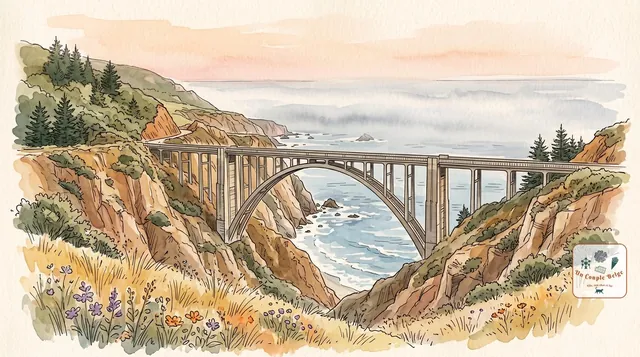
Big Sur: 145 km of cliffs between the mountains and the Pacific
The most beautiful stretch of Highway One: a road clinging to the cliffs, a postcard bridge, a waterfall that drops onto a beach and redwoods beside the ocean.
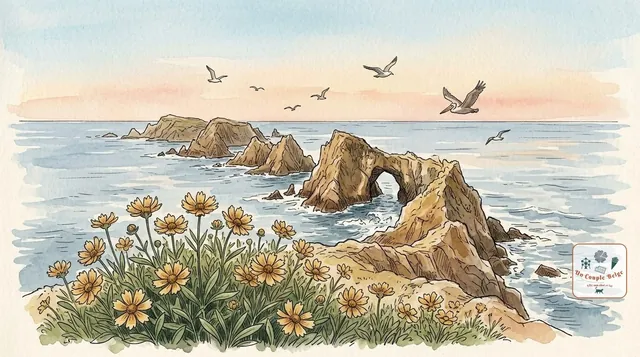
Channel Islands: the Californian Galápagos, a world apart
Five wild islands off the coast of Southern California, with no roads or hotels, but with cliffs, sea caves and a fox found nowhere else.
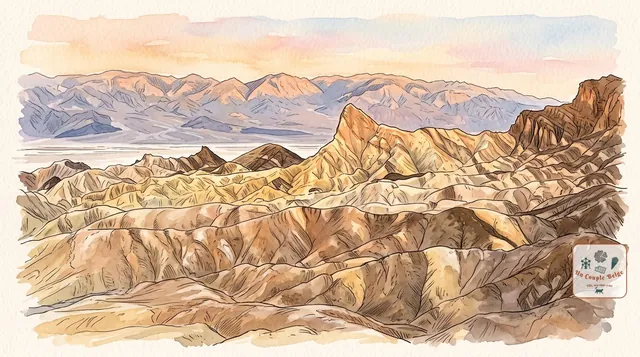
Death Valley: salt, dunes and the lowest point in North America
A vast desert of salt flats, dunes and hills in every colour. Superb from October to April, dangerous at the height of summer.
Comments