Los Angeles: Hollywood, Griffith Observatory and the Pacific beaches
Updated on
How long should you spend there?
At a glance
- Entrance fee
- Griffith Observatory and the Getty Center are free, but their car parks are not: $10 an hour at Griffith, $25 at the Getty.
- Best time to go
- Spring and autumn. In May and June the coast is often under cloud in the morning.
- Getting around
- A car is still almost essential. Avoid rush hours, from 7 to 9am and from 4 to 7pm.
Los Angeles has no real centre. It is a vast sprawl of neighbourhoods linked by freeways, between the ocean and the hills: Hollywood, Santa Monica, Venice, Beverly Hills, Downtown. You can’t see everything, and you spend a lot of time in the car. It’s better to pick two or three neighbourhoods and stick to them.
History and origins
The city was founded in 1781 by Spanish settlers, under the name El Pueblo de Nuestra Señora la Reina de los Ángeles. It became Mexican after Mexico’s independence in 1821, then American in 1848, at the end of the war between the two countries.
The arrival of the railway in 1876 brought the first settlers in large numbers. But it was in the early 20th century that everything sped up, with oil and then the cinema. Around 1910 the first production companies left New York and New Jersey to set up here: the weather is fine all year round, and the desert, the mountains and the ocean are a few hours’ drive away. Within a few decades Hollywood had become the film capital of the world.
The Second World War brought the aircraft industry and a new wave of residents. The city then spread out around the car. Successive waves of immigration (Mexican, Korean, Armenian, Iranian, Vietnamese) have given each neighbourhood its character.
What to do there
- Hollywood Boulevard
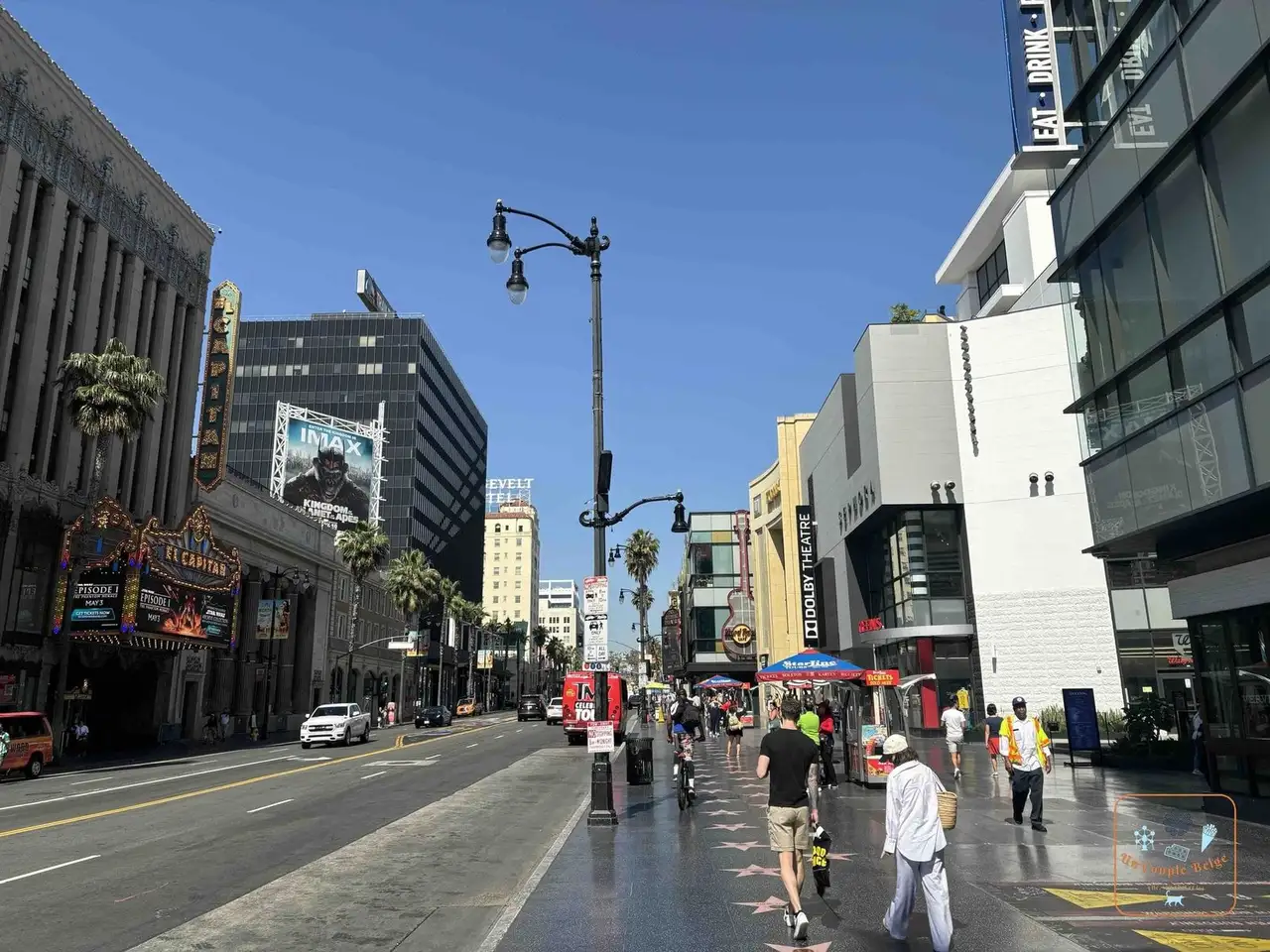 Hollywood Boulevard: the Walk of Fame and its more than 2,800 stars, and the TCL Chinese Theatre with the stars’ prints in the cement. It’s very touristy and quickly seen: an hour or two is enough.
 - The Hollywood Sign
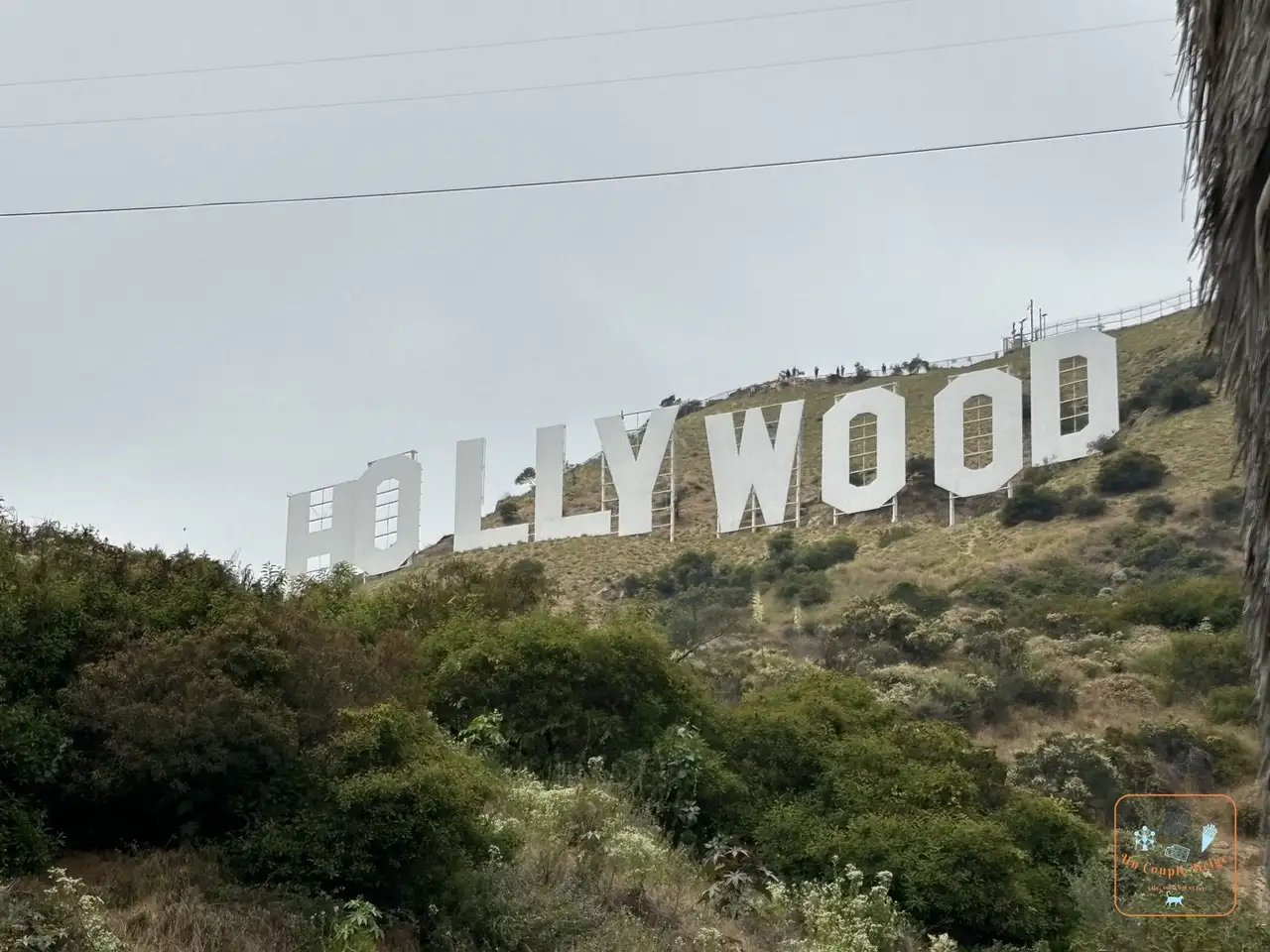 The Hollywood Sign seen up close from the trail: you can’t touch it, but several trails get close. The Brush Canyon Trail, at the end of Canyon Drive, climbs to the Tyrolean Tank viewpoint
 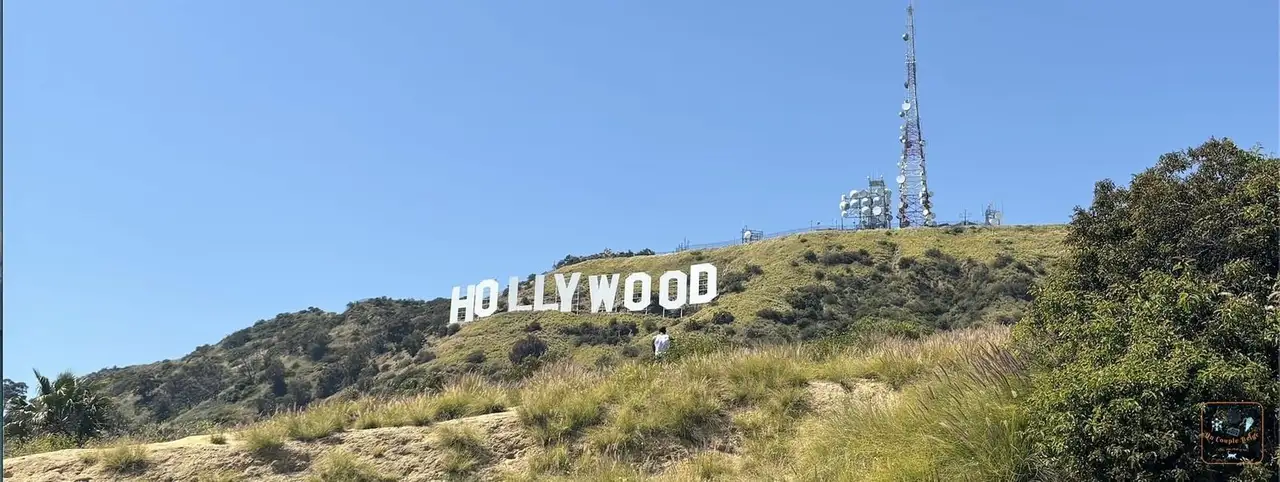 The Hollywood Sign seen from the Tyrolean Tank. There is no shade: take water and a cap.
 - Griffith Observatory
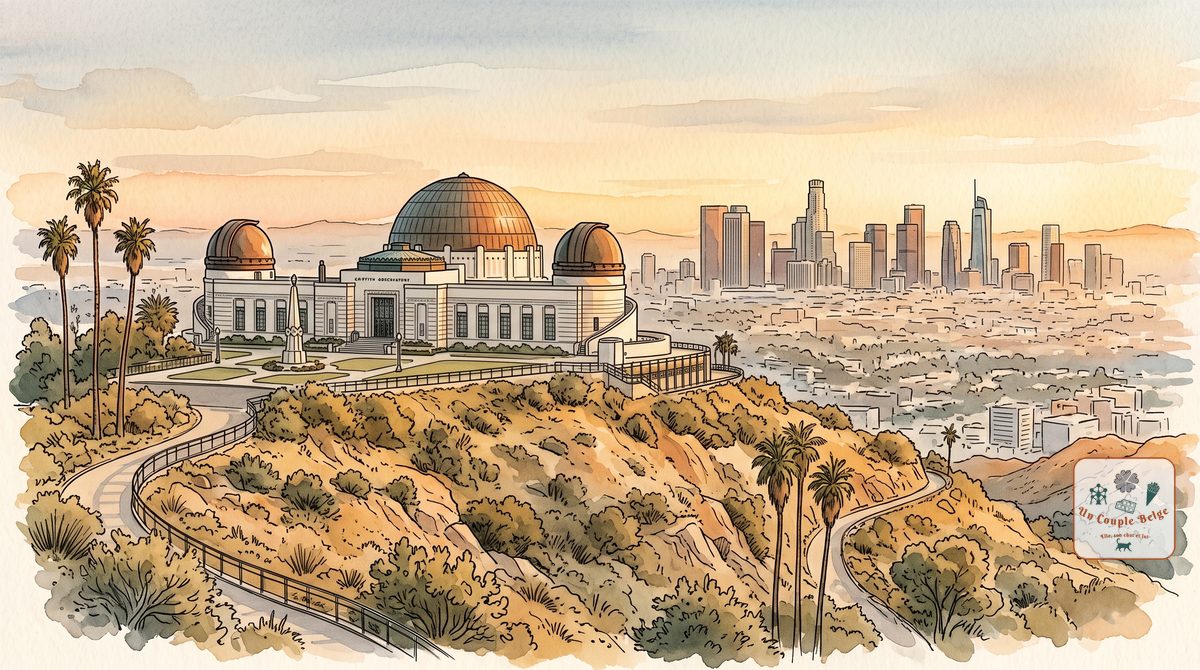
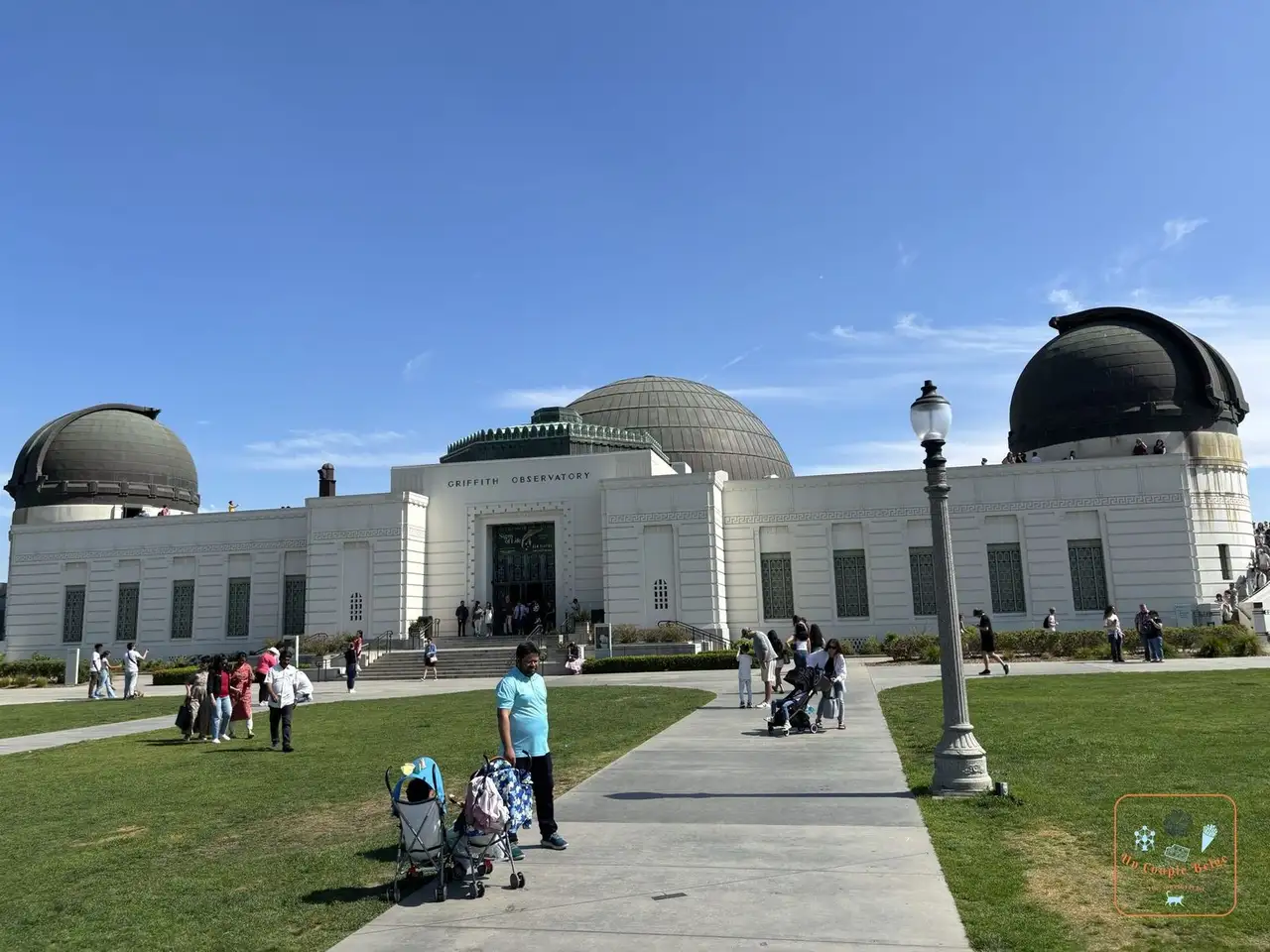 Griffith Observatory and its domes under a blue sky: an Art Deco observatory perched on the hills, with a view over the whole city and of the Hollywood Sign. Admission is free. Come for sunset
 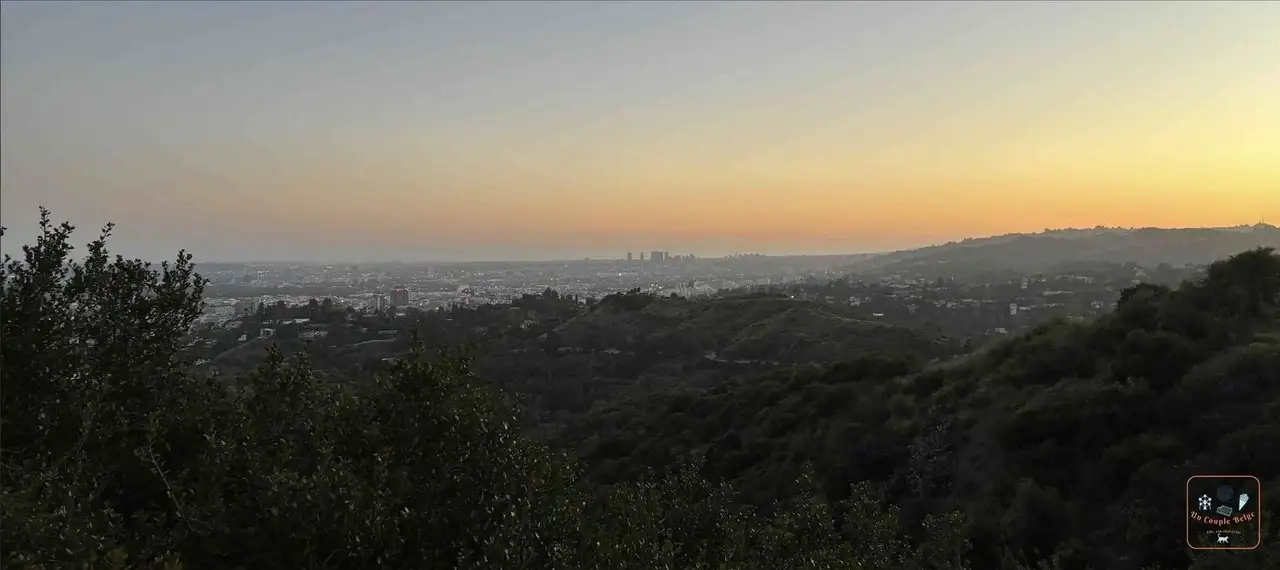 Sunset over Los Angeles from Griffith Observatory and stay until dark, when the city lights up.
 - Santa Monica
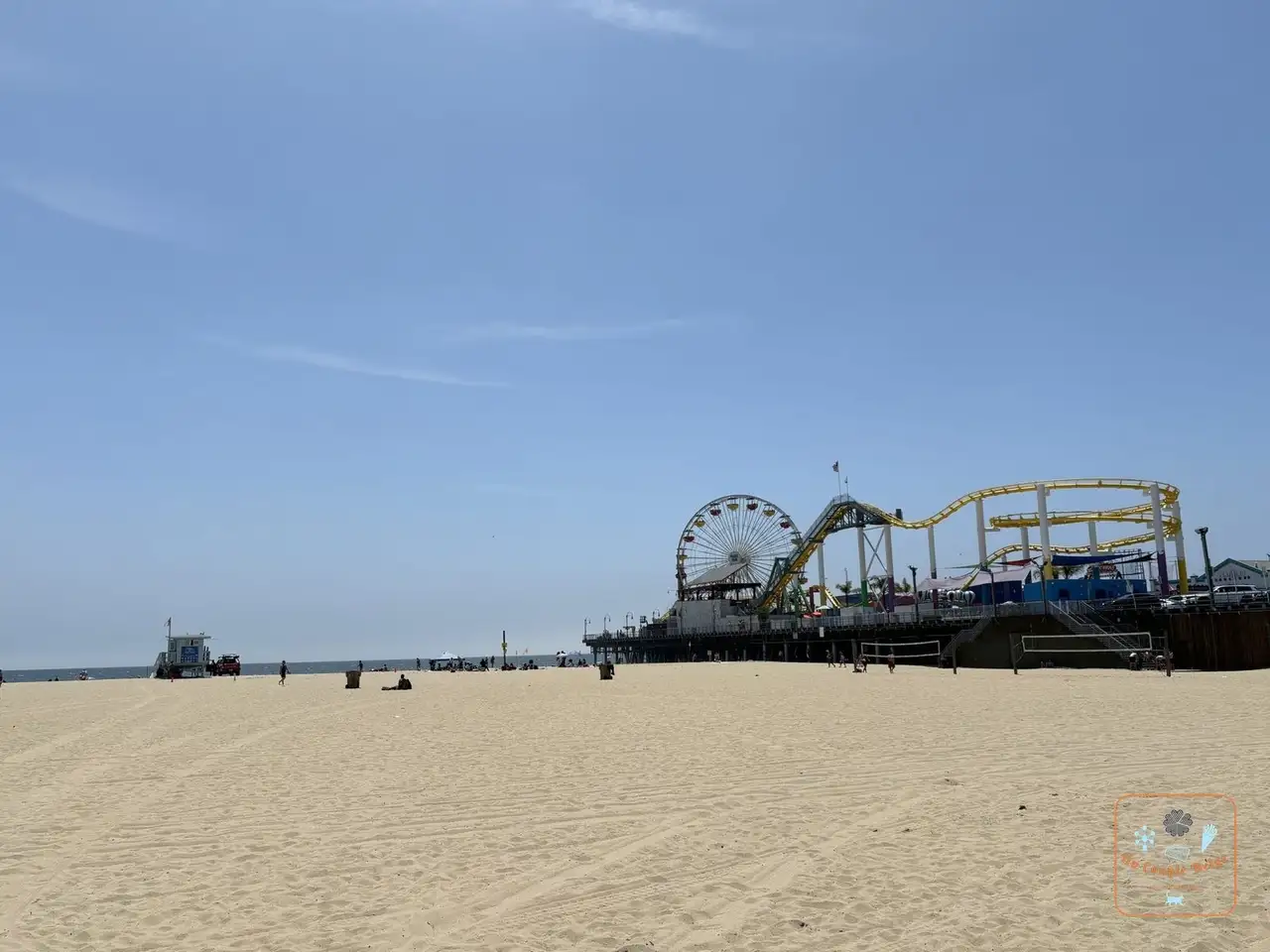 The Santa Monica Pier and its Ferris wheel from the beach: the big beach, the pier with its Ferris wheel and the sign marking the end of Route 66
 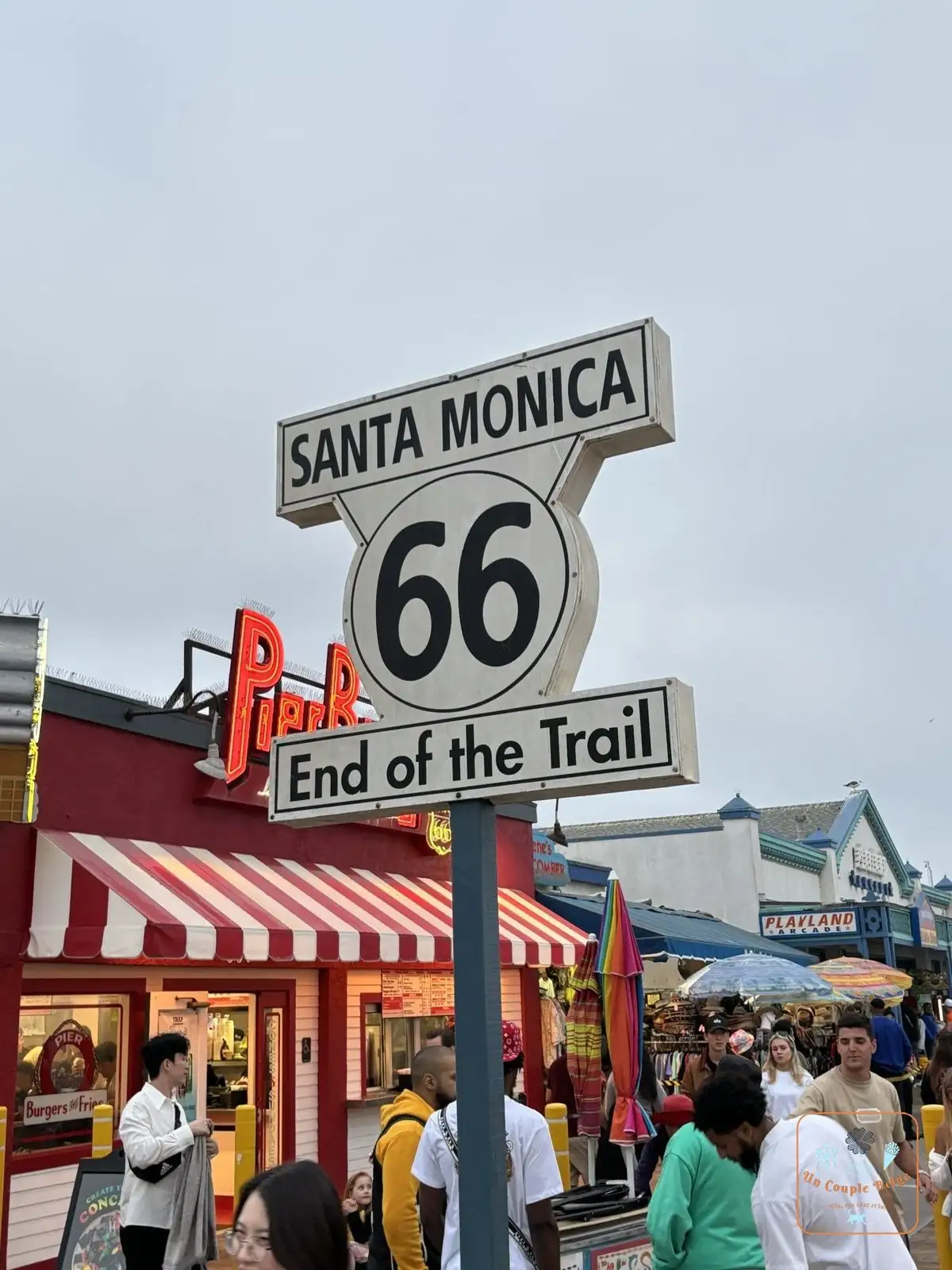 The "Santa Monica 66, End of the Trail" sign on the pier. Right next to it, the Third Street Promenade is a pedestrian shopping street.
 - Venice
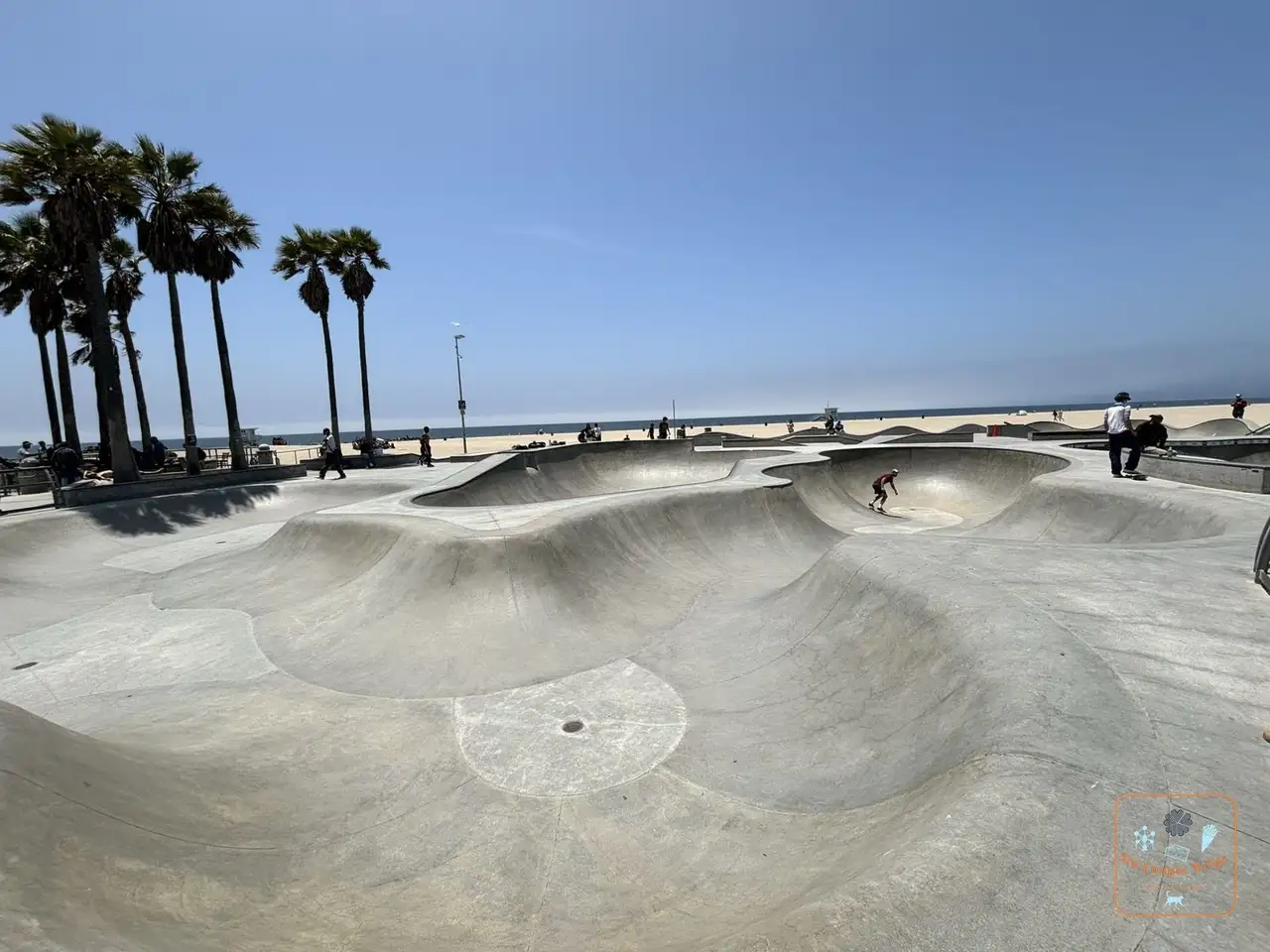 The bowls of the Venice Skatepark facing the ocean: the beachfront boardwalk, its street performers, Muscle Beach and the skatepark. A few streets away, the canals
 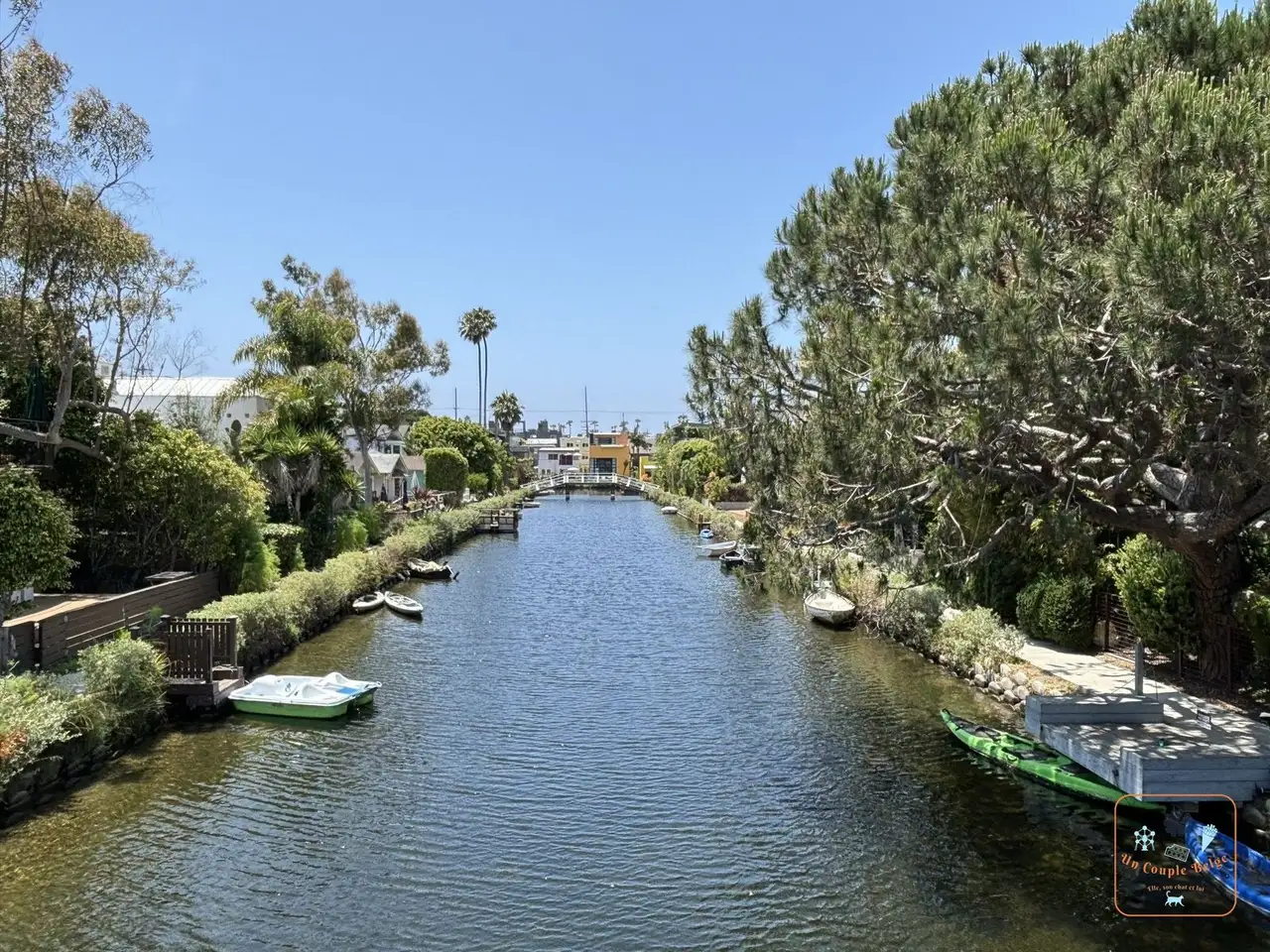 A Venice canal with its little boats and bridges form a very quiet residential neighbourhood. You can walk there from Santa Monica along the beach.
 - Beverly Hills and Rodeo Drive
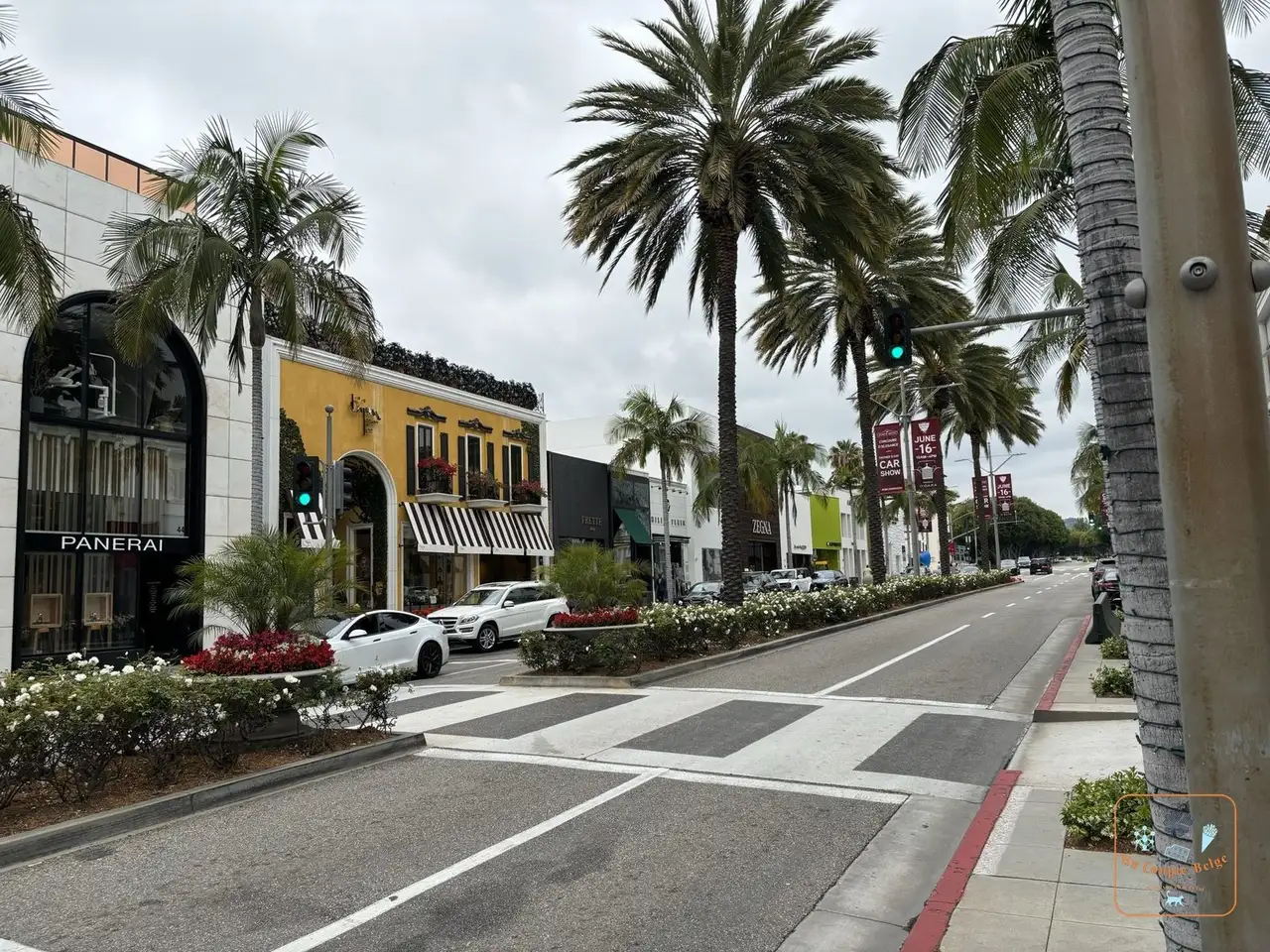 Rodeo Drive, its palm trees and luxury boutiques: the “Beverly Hills” sign
 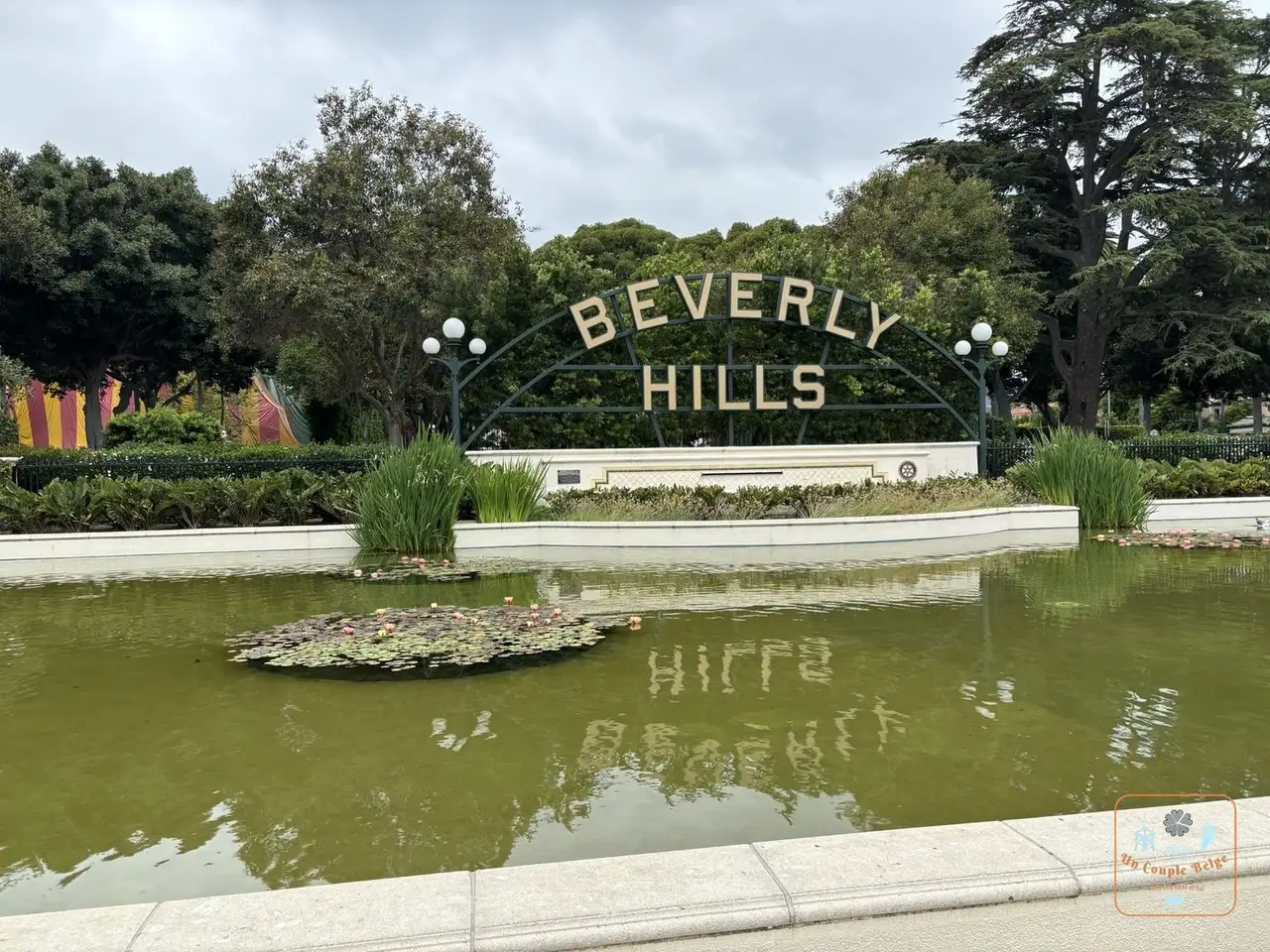 The Beverly Hills sign and its pond, the luxury boutiques lined up under the palm trees and the little cobbled street of Two Rodeo.
 - Downtown: Frank Gehry’s Walt Disney Concert Hall, the old theatres on Broadway, Grand Central Market for food and the Arts District, covered in murals.
- The museums: the Getty Center, for its collections, its gardens and its view. LACMA, with the antique street lamps of “Urban Light” and a new building opened in April 2026. The Broad, for contemporary art.
- Further out: Malibu for its wilder beaches, Silver Lake and Los Feliz for their cafés and vintage shops, Koreatown for Korean food until late.
Stories and good to know
- The Hollywood Sign originally had nothing to do with the cinema. Put up in 1923, it read “HOLLYWOODLAND” and advertised a housing development. The last four letters were removed in 1949.
- Right in the city, the La Brea Tar Pits still let natural asphalt seep to the surface. Thousands of Ice Age fossils have been pulled out of them, including mammoths and sabre-toothed cats, and the excavations continue in front of visitors.
- Griffith Park is five times the size of Central Park. A wild mountain lion, nicknamed P-22, lived there for ten years in the midst of millions of people. He had become a symbol of the city before his death in December 2022.
- The Los Angeles freeway network is about 850 km long. The traffic jams come with it.
- Driverless taxis, the Waymos, operate in part of the city. You order them with an app, like an Uber.
- The In-N-Out burger chain was born in California. Try the Double-Double: it’s an institution.
Practical information for your road trip
- Arriving: LAX airport is the usual gateway for a road trip in the West.
- Metro: it exists, but it covers such a spread-out city poorly. Since May 2026, though, a line links Downtown to the edge of Beverly Hills in 20 minutes, via LACMA.
- On the freeways: trust the exit numbers more than the GPS.
- Parking: you pay almost everywhere. At Griffith Observatory, spaces go quickly at the end of the day.
- Griffith Observatory: closed on Mondays, open from noon to 10pm Tuesday to Friday and from 10am to 10pm at weekends.
- Where to stay: choose one or two neighbourhoods rather than crossing the city every day. Hollywood for the hills and Griffith, Santa Monica for the beach. Expect $150 to $300 a night, often with parking on top.
- The rest of the road trip: Joshua Tree is 2 hours 15 to 2 hours 30 away depending on traffic, San Diego 2 hours, the Grand Canyon about 8 hours. San Francisco is reached by Highway One, in two or three days if you want to enjoy it.
Our experience in Los Angeles
Our road trip 1 began and ended here, in May and June 2024: two nights in Hollywood on arrival, then four days around Santa Monica before the flight home.
Our day-by-day journals are coming soon.
Quick quiz
Question 1 / 3
Expert
Los Angeles: Hollywood, Griffith Observatory and the Pacific beaches
Where to stay near Los Angeles: Hollywood, Griffith Observatory and the Pacific beaches
Stay22 affiliate links: if you book through here, we earn a small commission at no extra cost to you. Thanks for your support!
On the ground

Sponsored by UnCoupleBelge
Follow us on Instagram
Box sponsored by a partner
Other places nearby
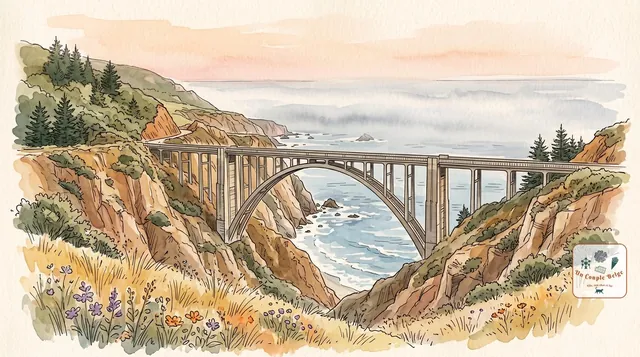
Big Sur: 145 km of cliffs between the mountains and the Pacific
The most beautiful stretch of Highway One: a road clinging to the cliffs, a postcard bridge, a waterfall that drops onto a beach and redwoods beside the ocean.
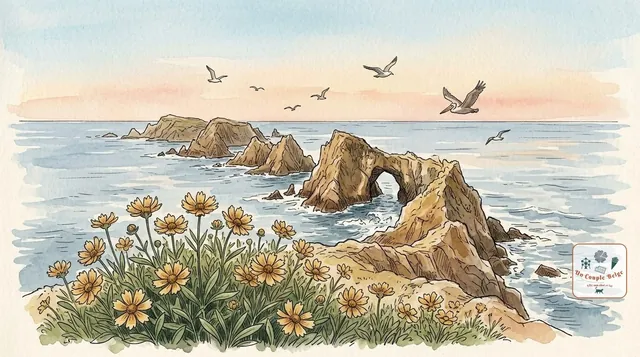
Channel Islands: the Californian Galápagos, a world apart
Five wild islands off the coast of Southern California, with no roads or hotels, but with cliffs, sea caves and a fox found nowhere else.
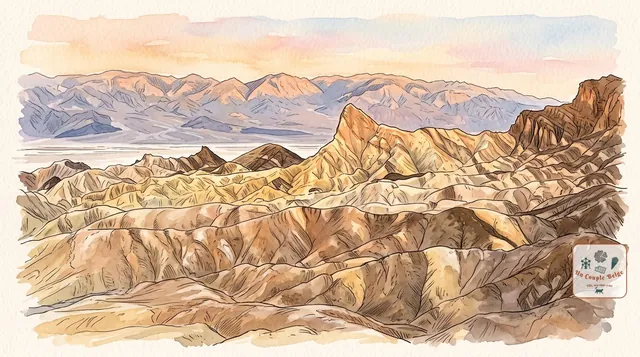
Death Valley: salt, dunes and the lowest point in North America
A vast desert of salt flats, dunes and hills in every colour. Superb from October to April, dangerous at the height of summer.
Comments